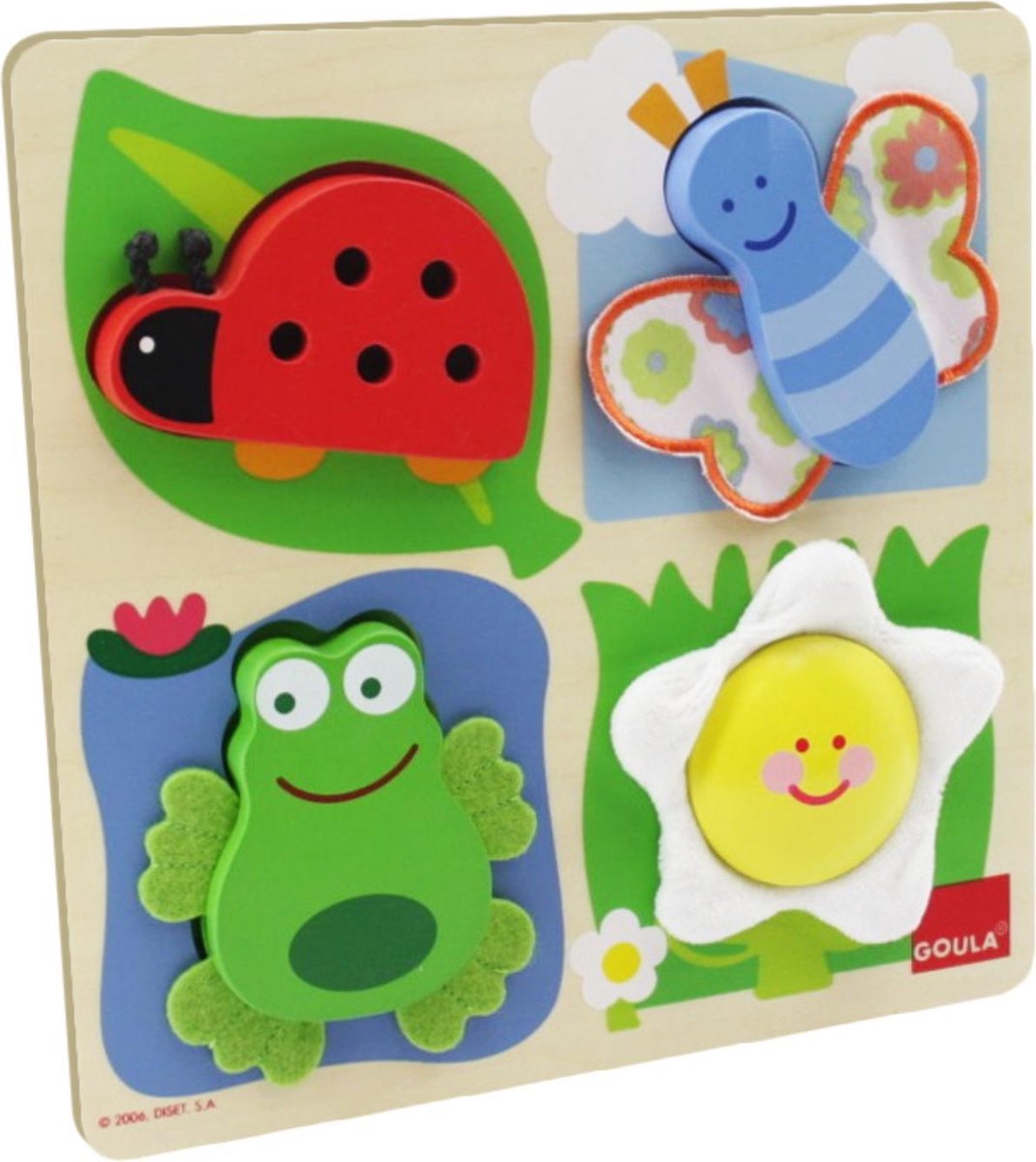
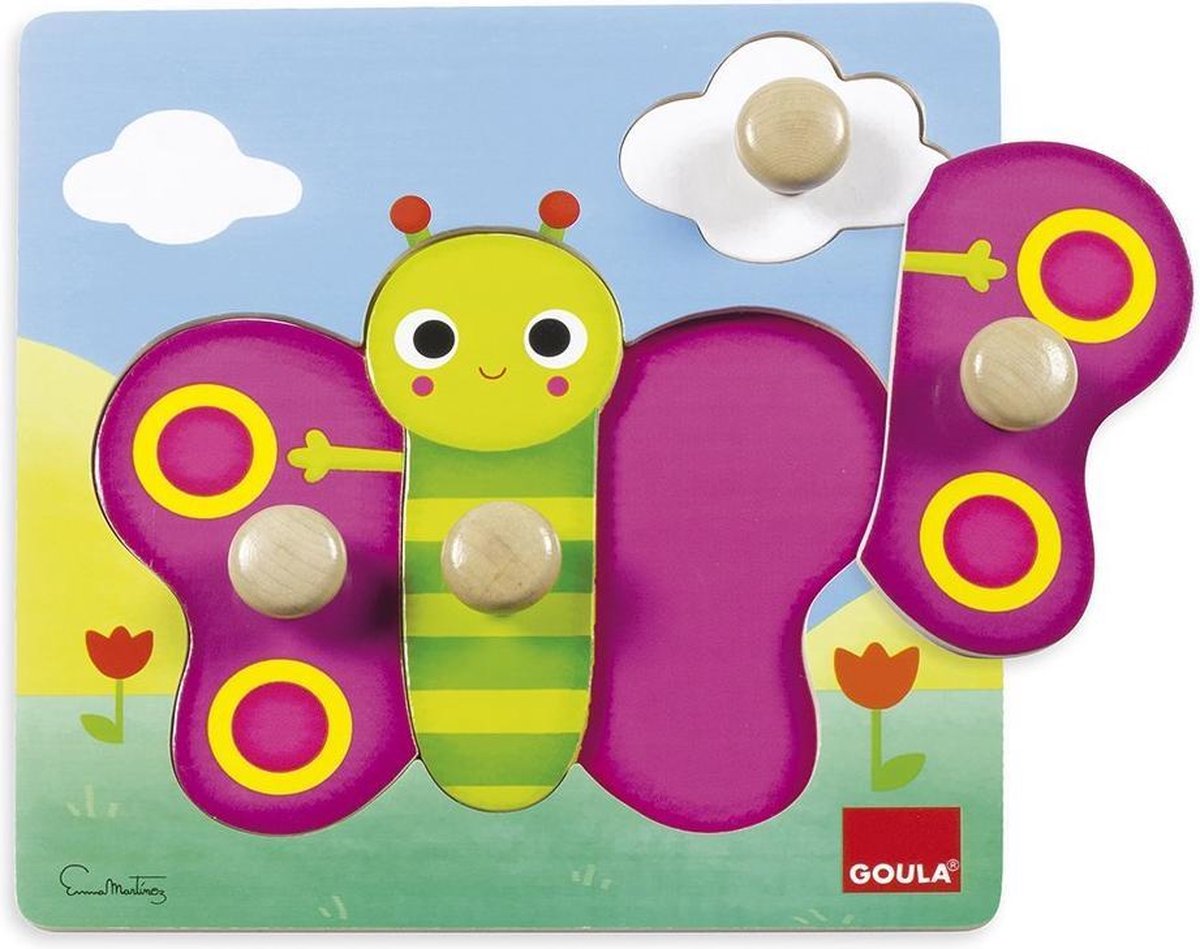
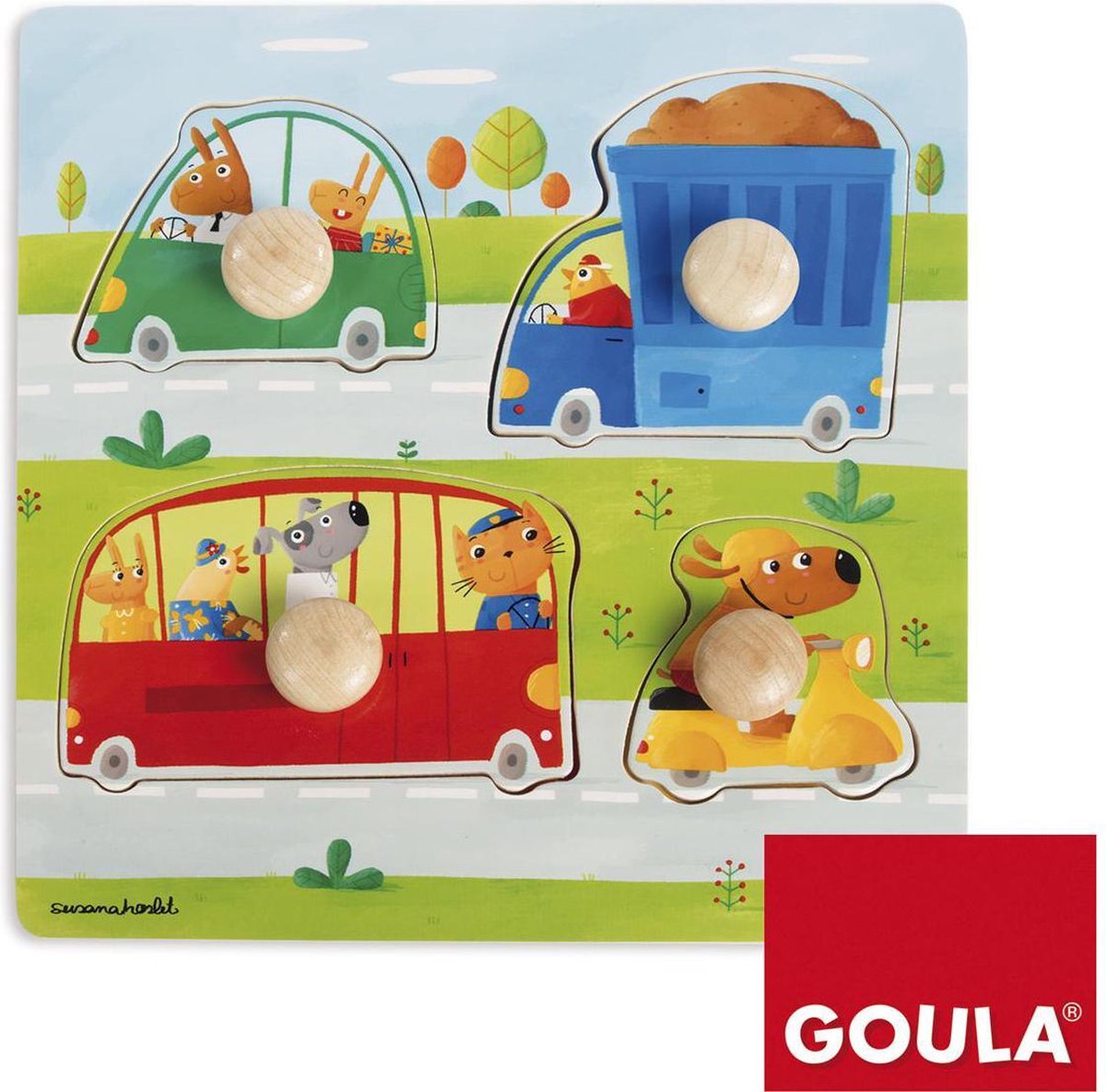
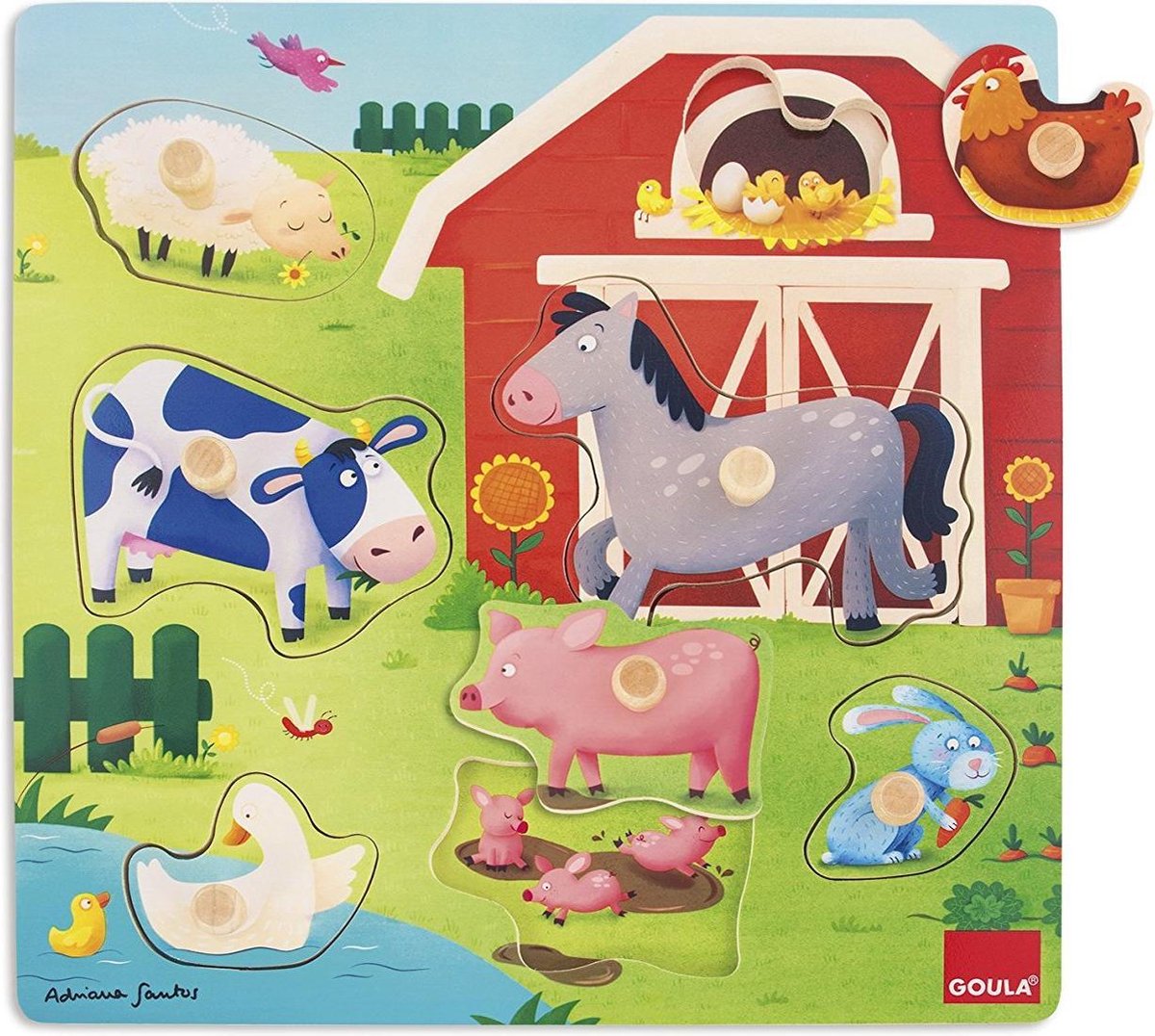
What are Goula Puzzles?
Goula puzzles come from the Spanish company Jumbo, which has been around since 1942 and is known for its high-quality toys and games. The Goula line focuses mainly on wooden puzzles and educational toys for young children. These puzzles are designed to stimulate children's motor skills, problem-solving skills and creativity. The Goula puzzles are characterized by their sturdy, durable design and the use of bright colors and attractive images. They are often used as educational materials in kindergartens and early grades of primary school. The series includes simple insert puzzles for the little ones to slightly more complex puzzles for older children. The manufacturer, Jumbo, is an established name in the toy industry and is known for its quality products. Although Jumbo has its origins in the Netherlands, the Goula brand is strongly associated with Spain, where it was originally founded. This makes the Goula puzzles an interesting combination of Dutch quality and Spanish design. These puzzles are not only educationally valuable, but also durable and safe for children, making them a popular choice among parents and educators.
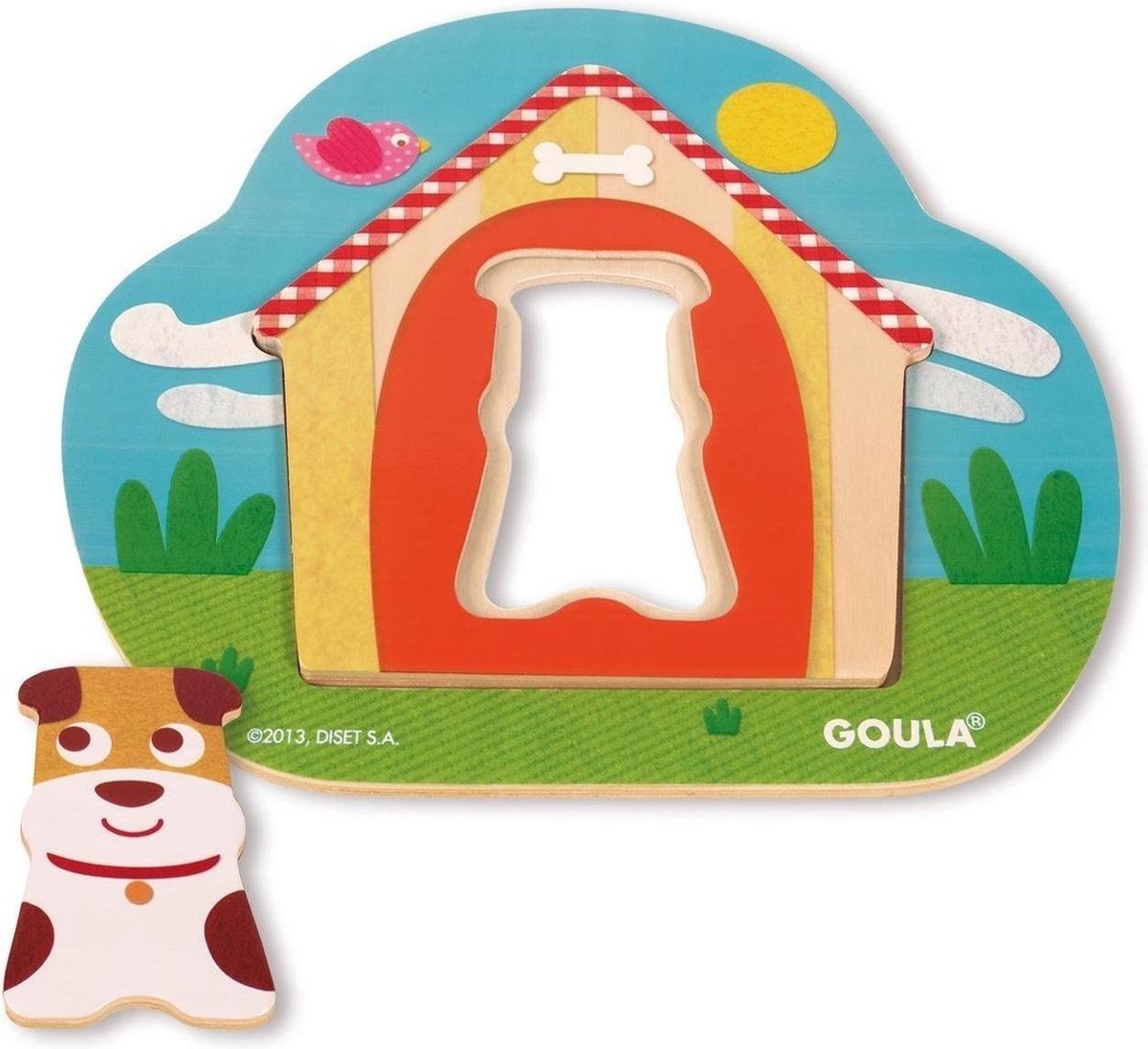
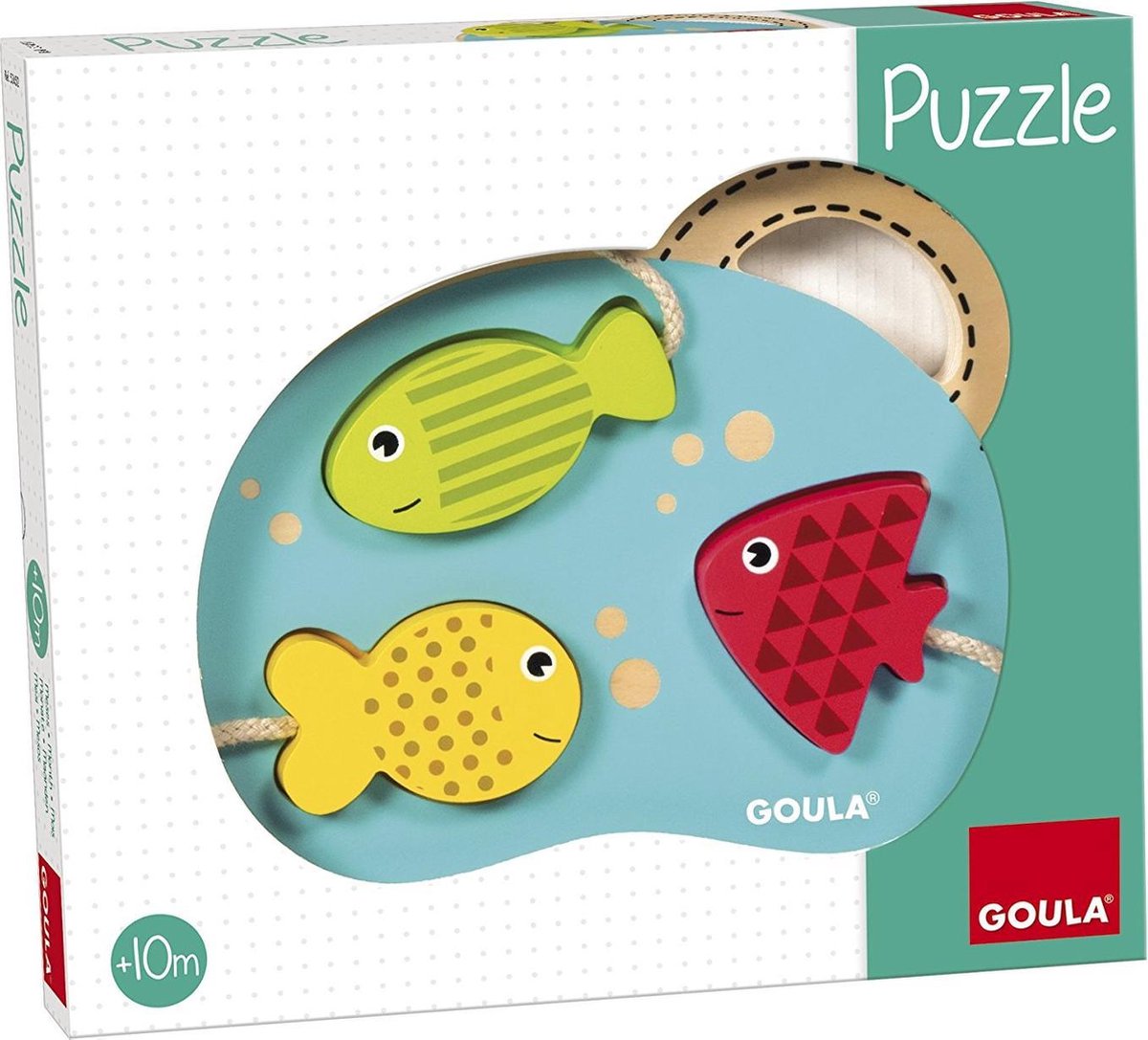
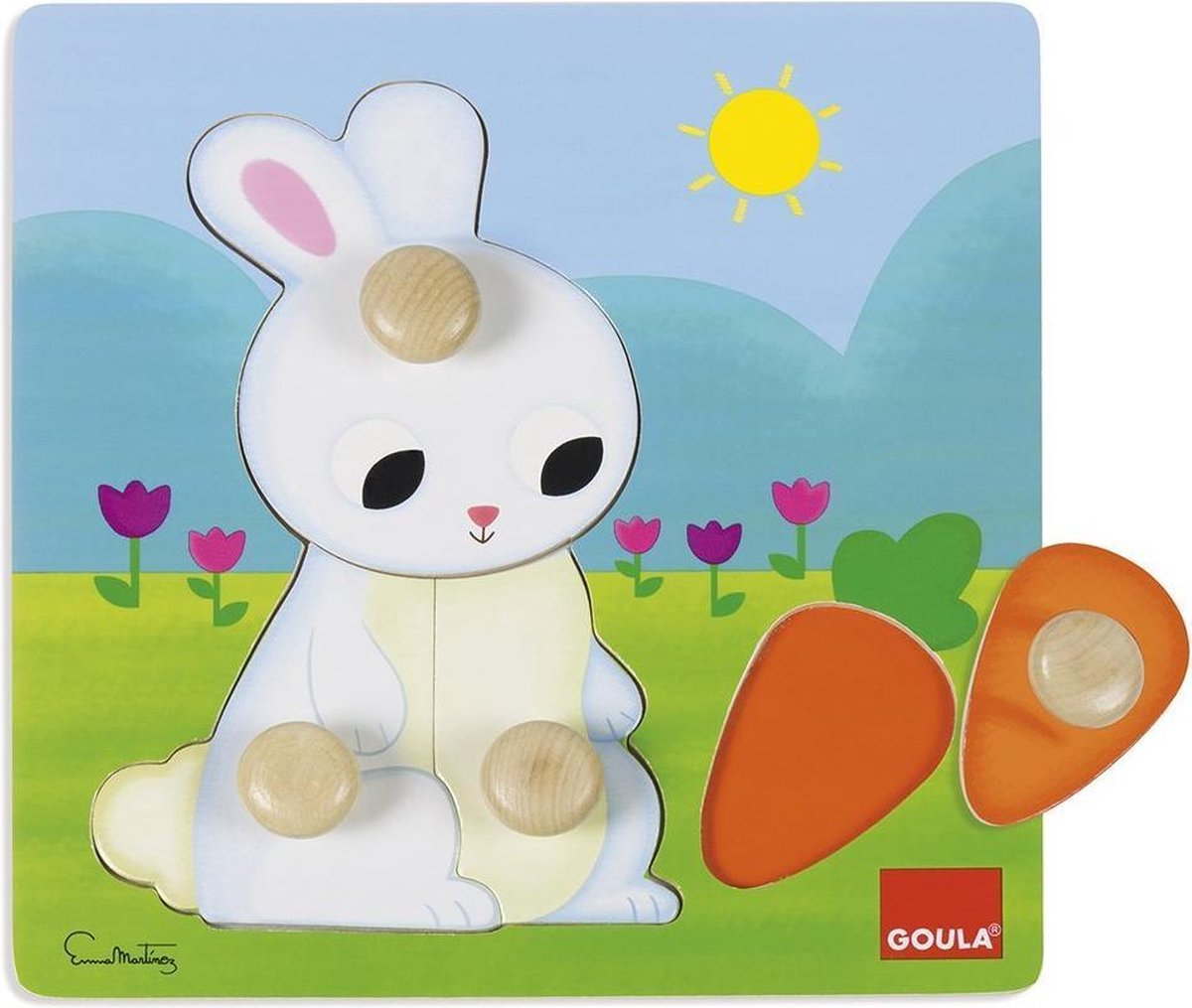
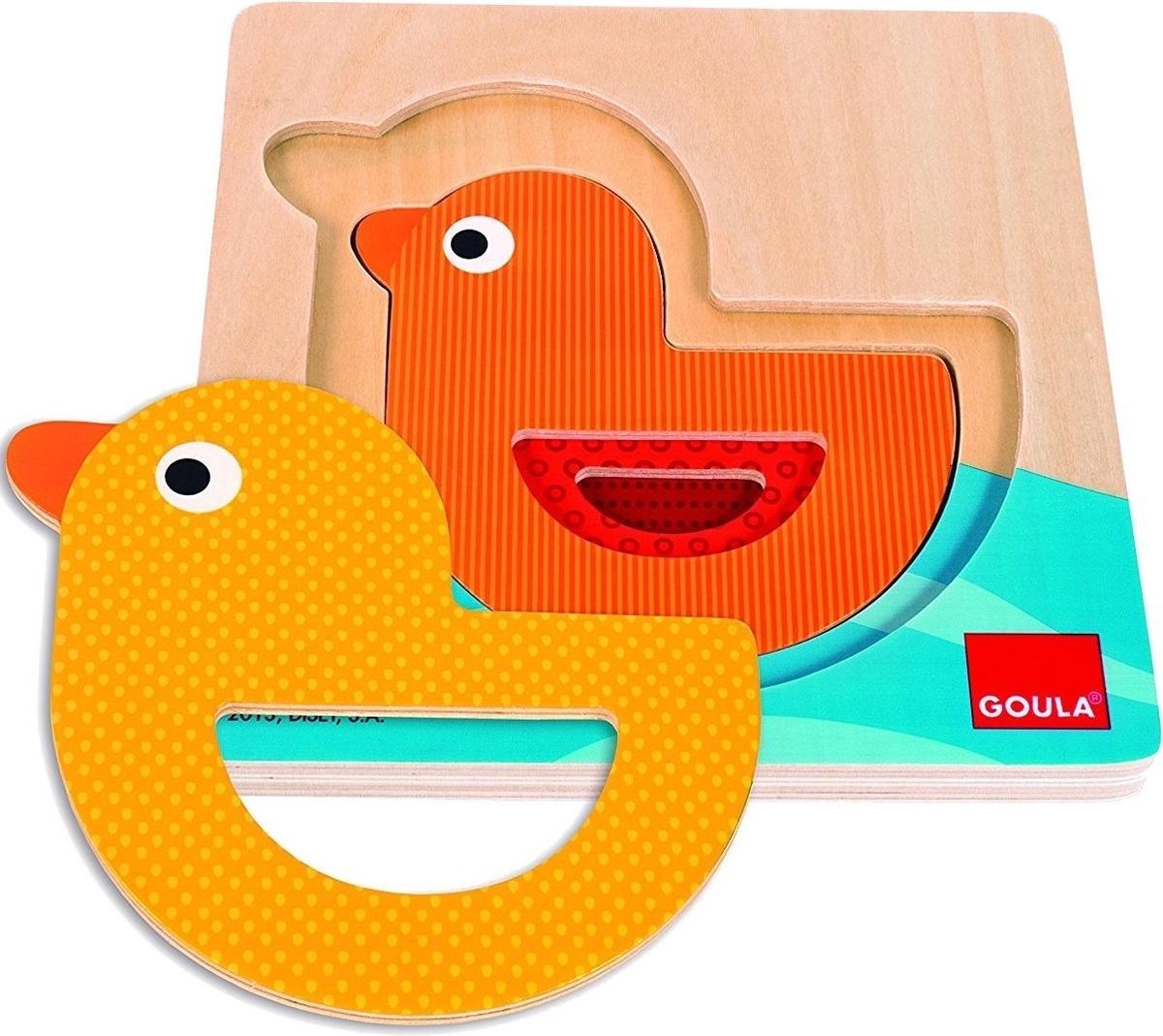
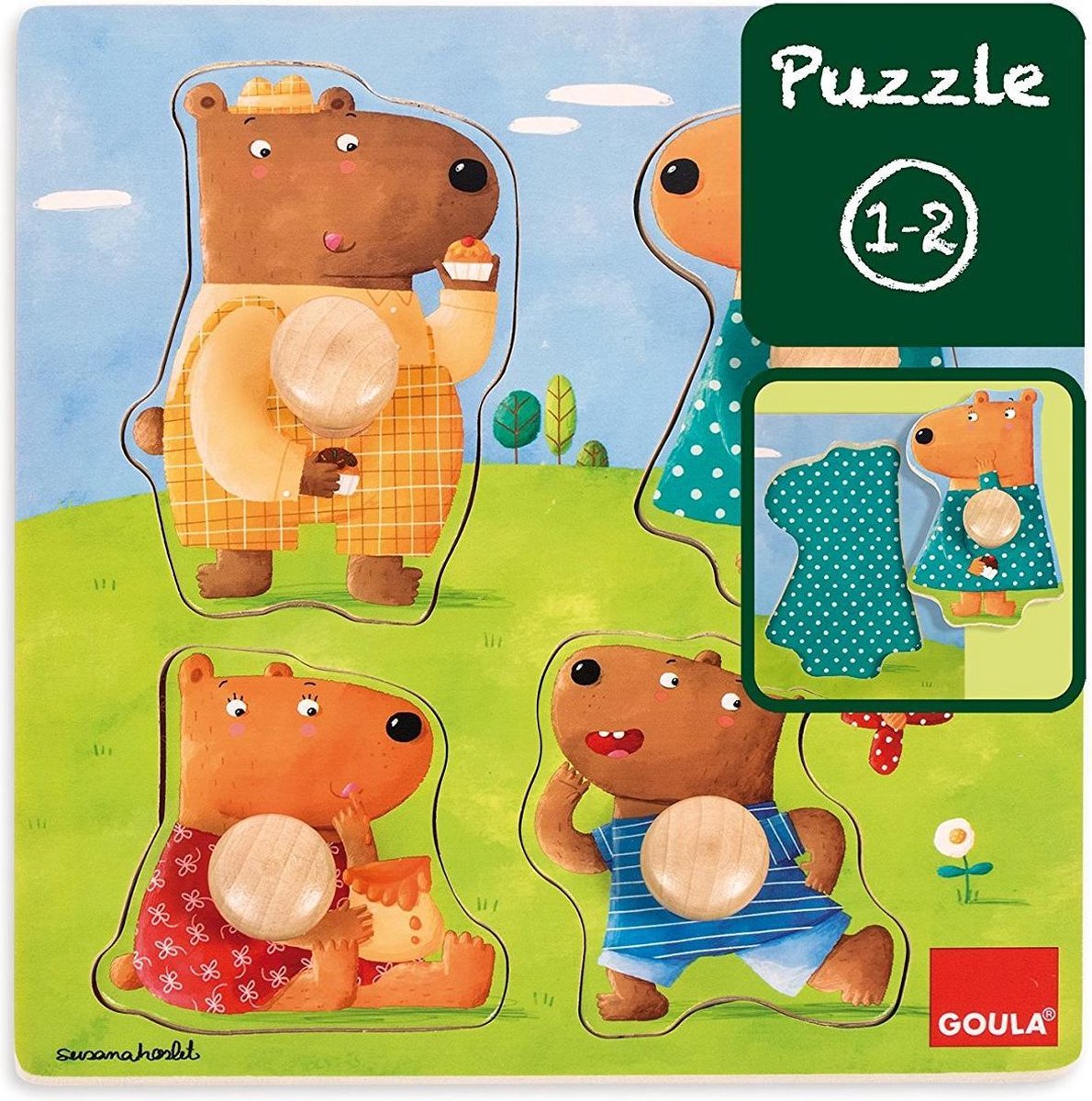
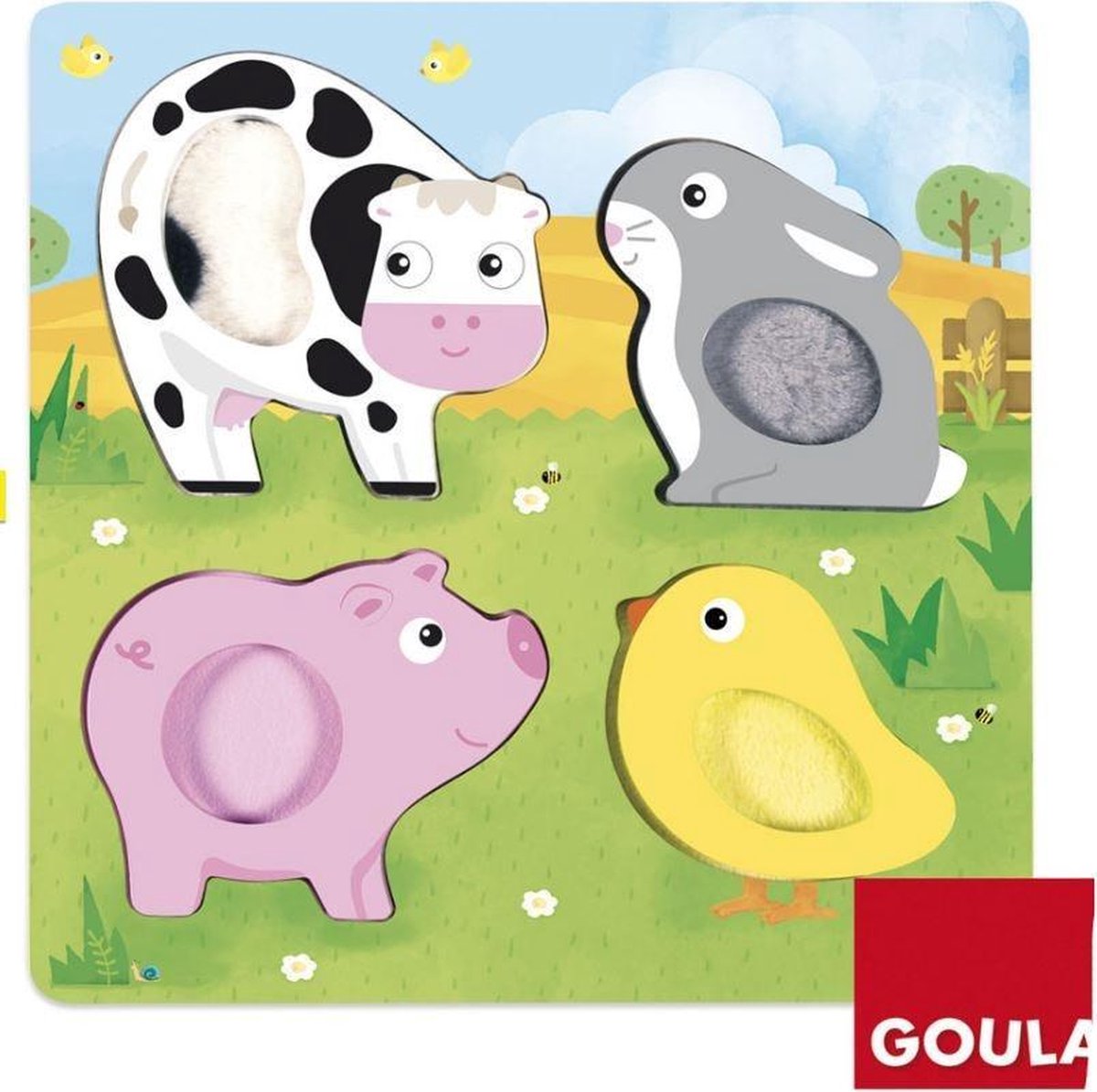
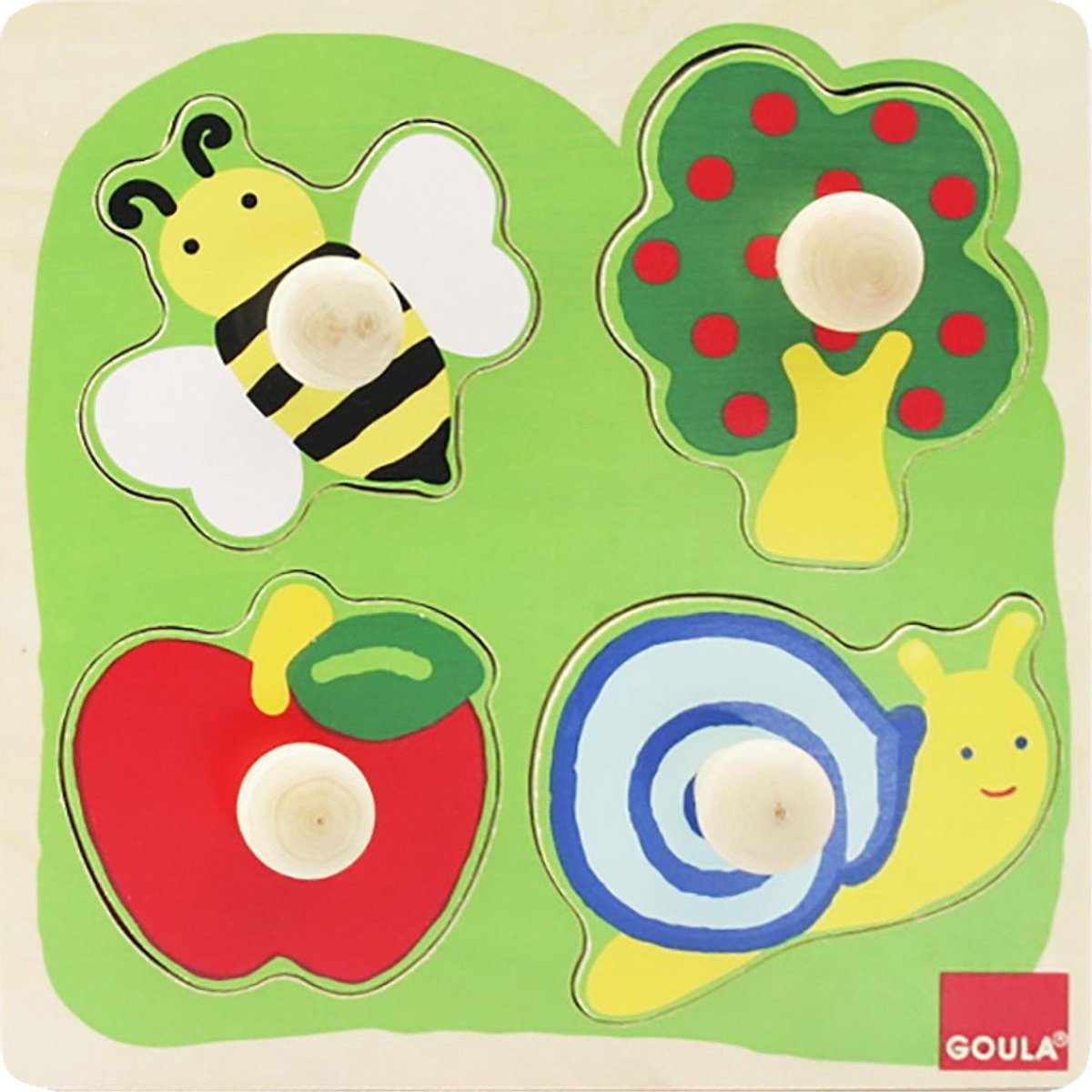
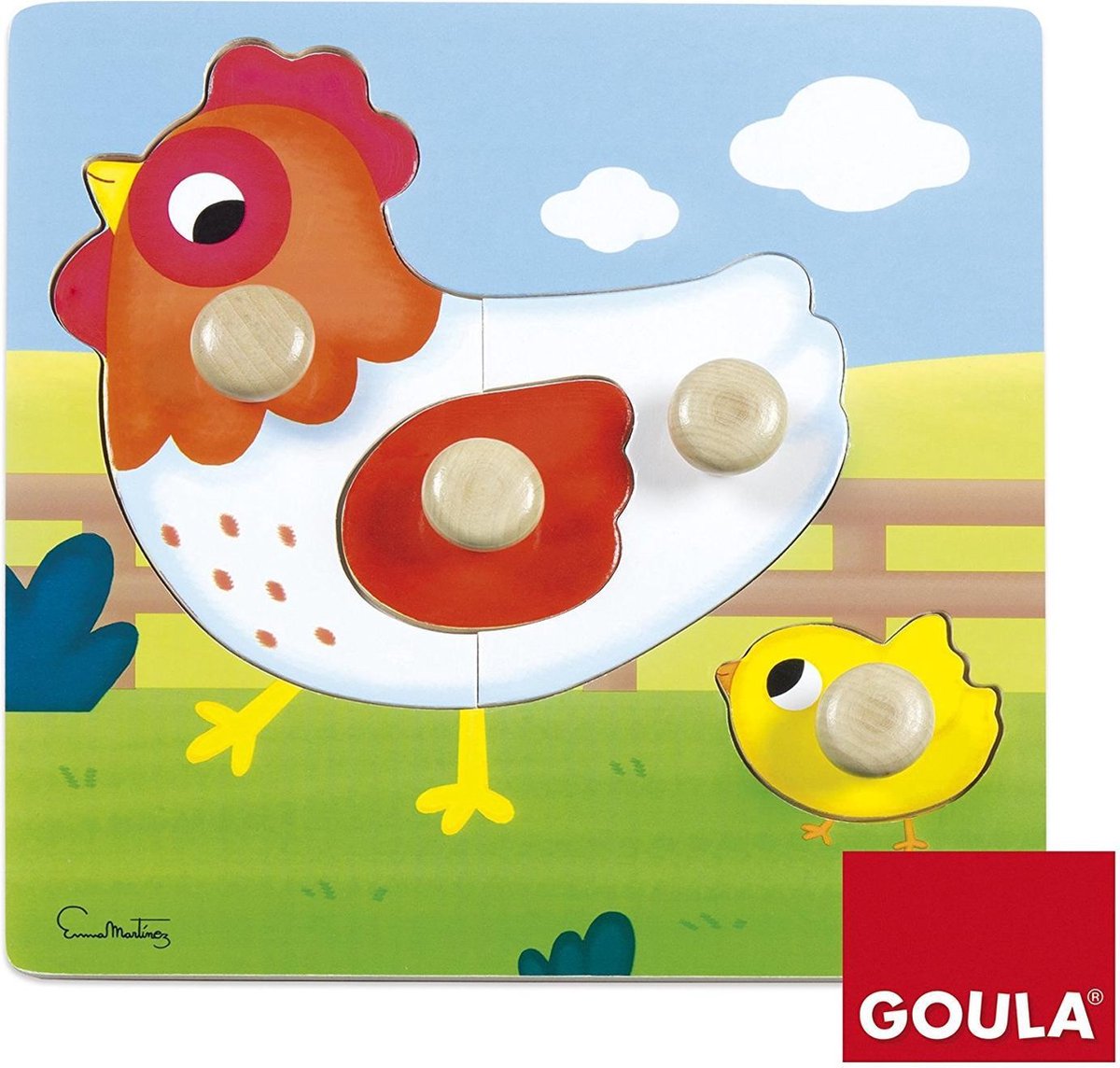
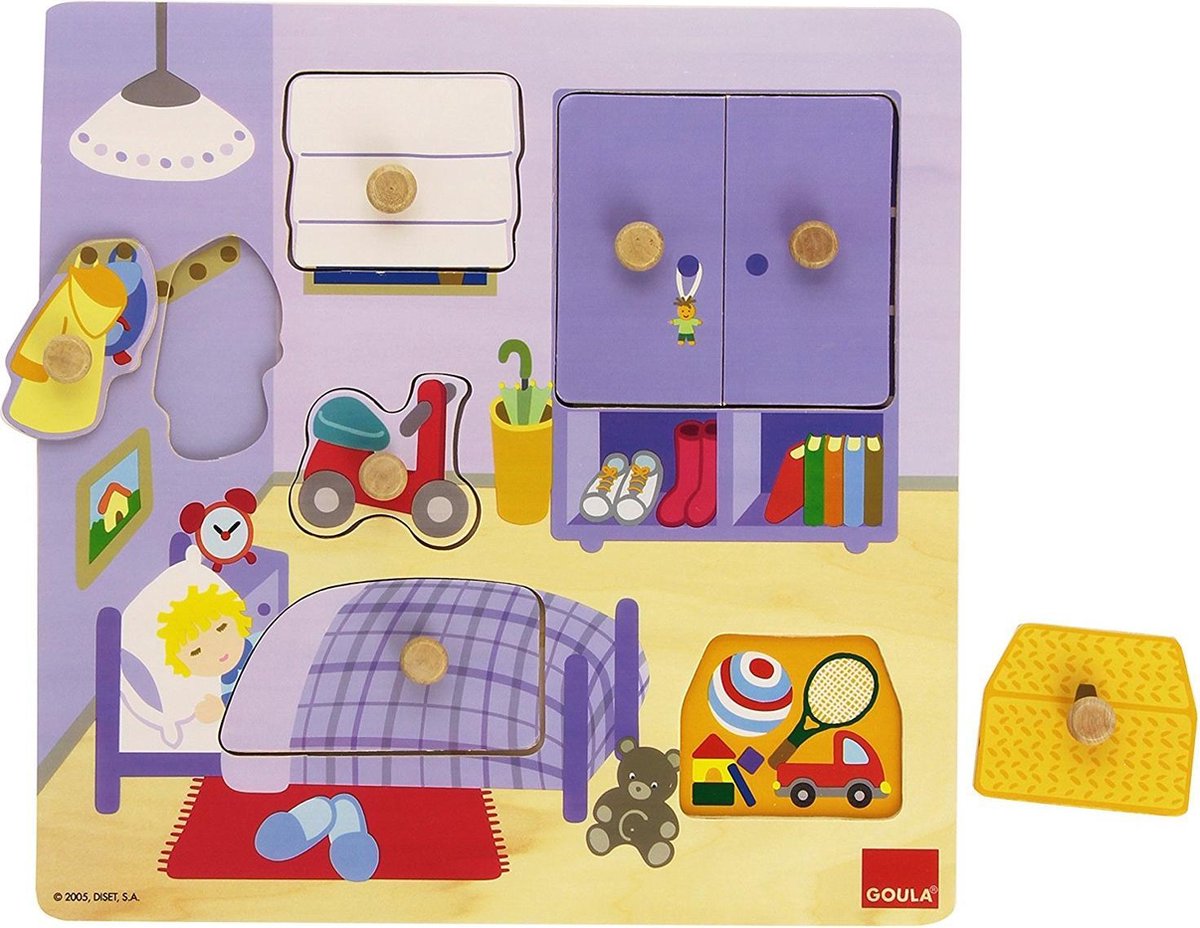
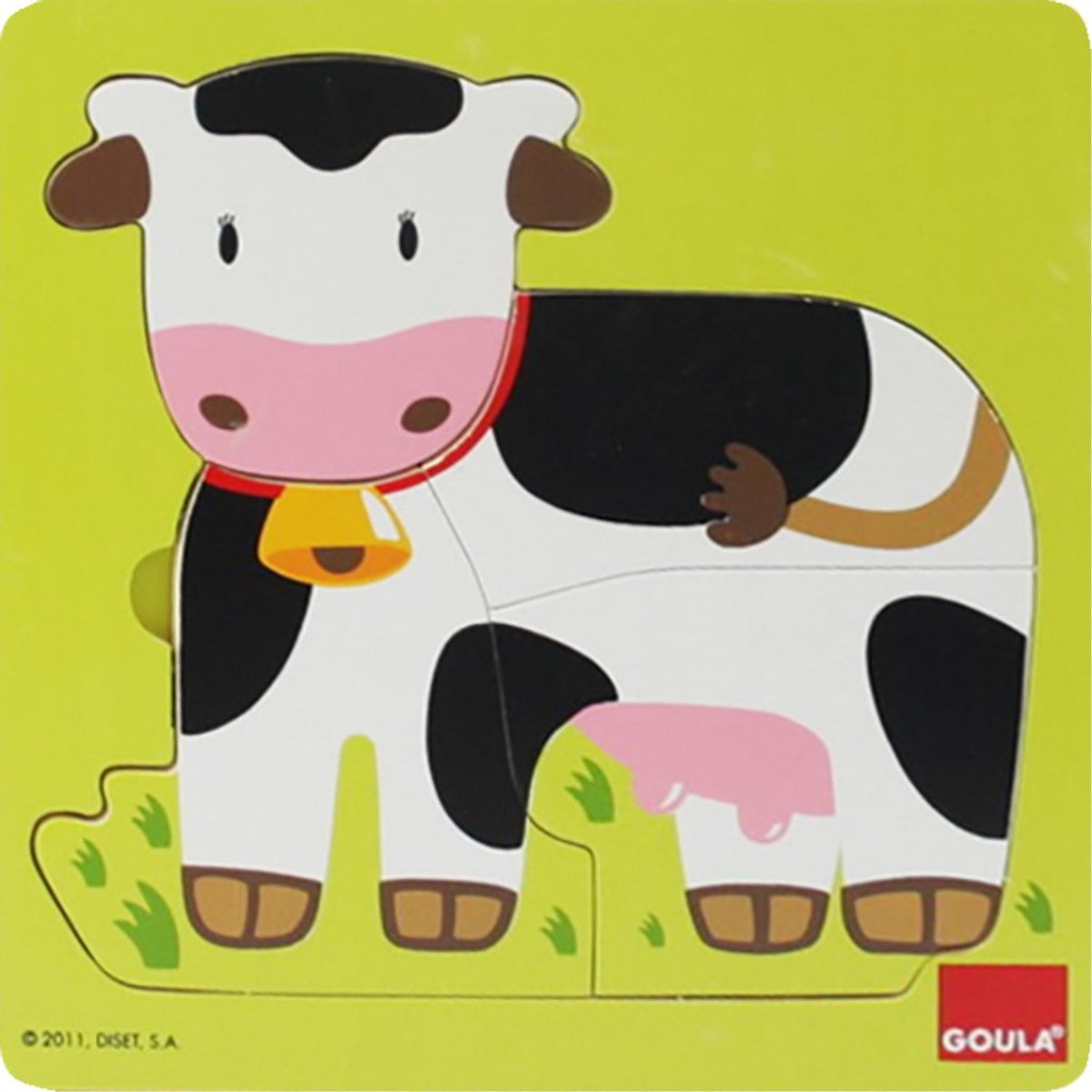
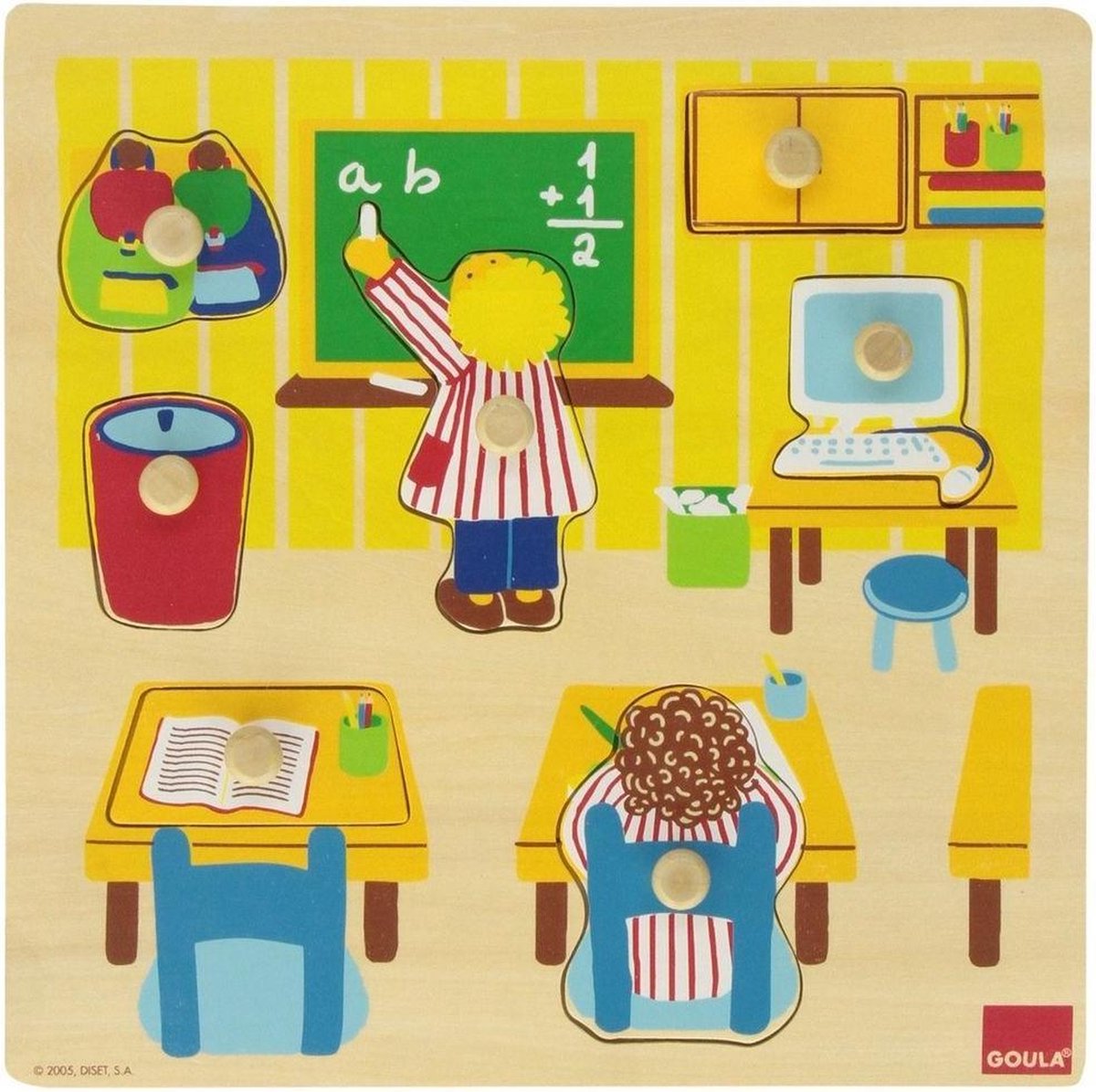
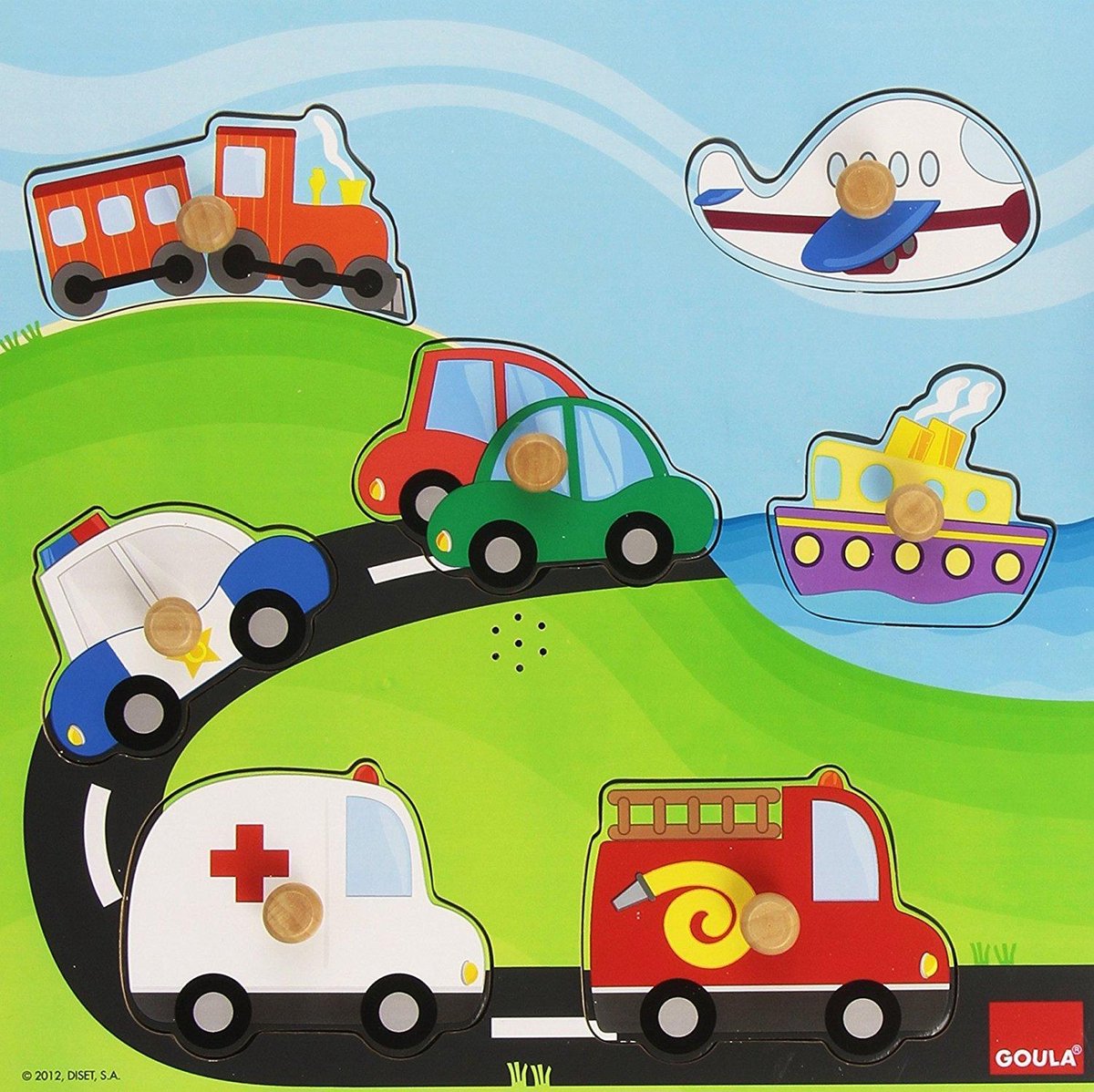
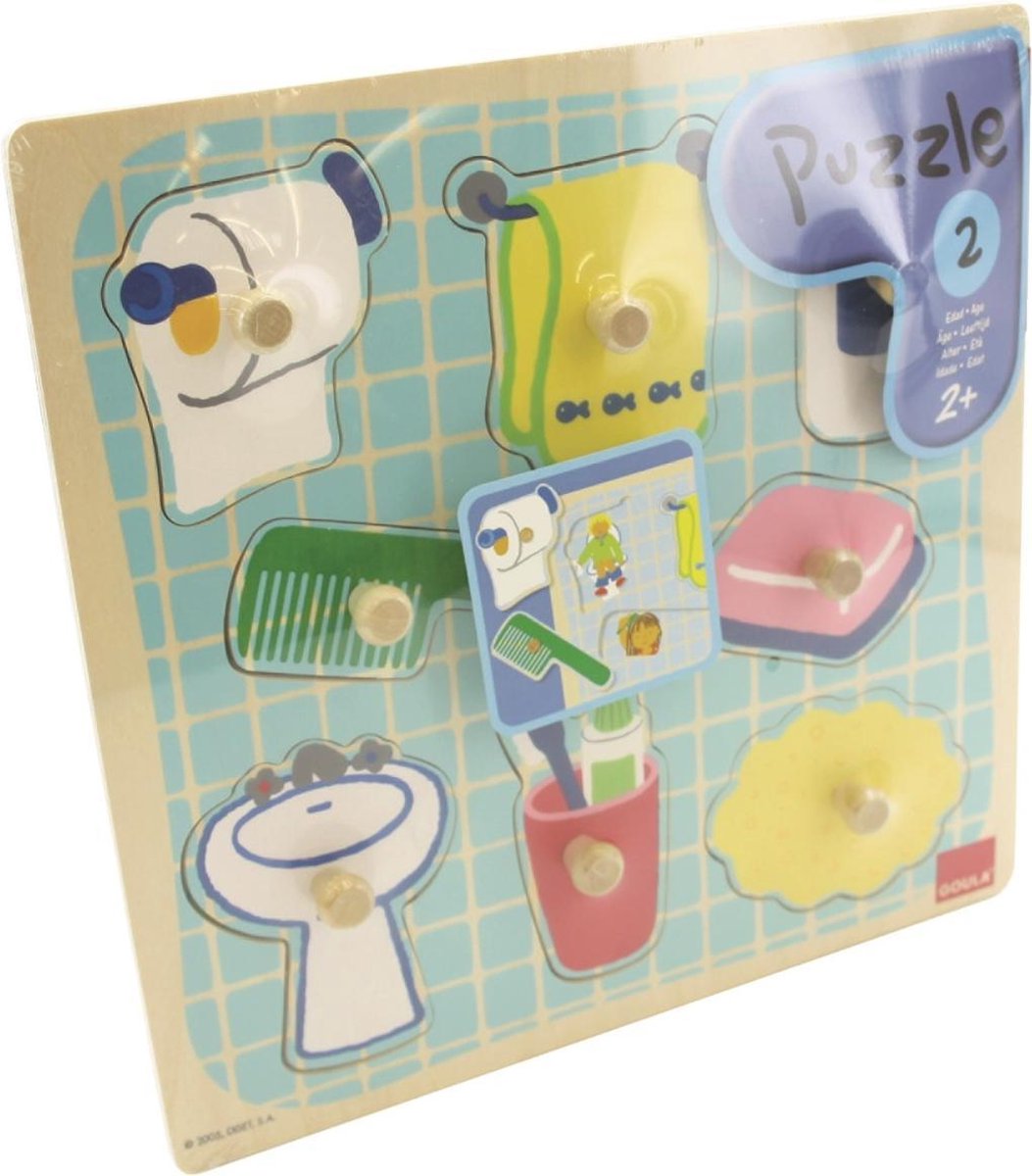
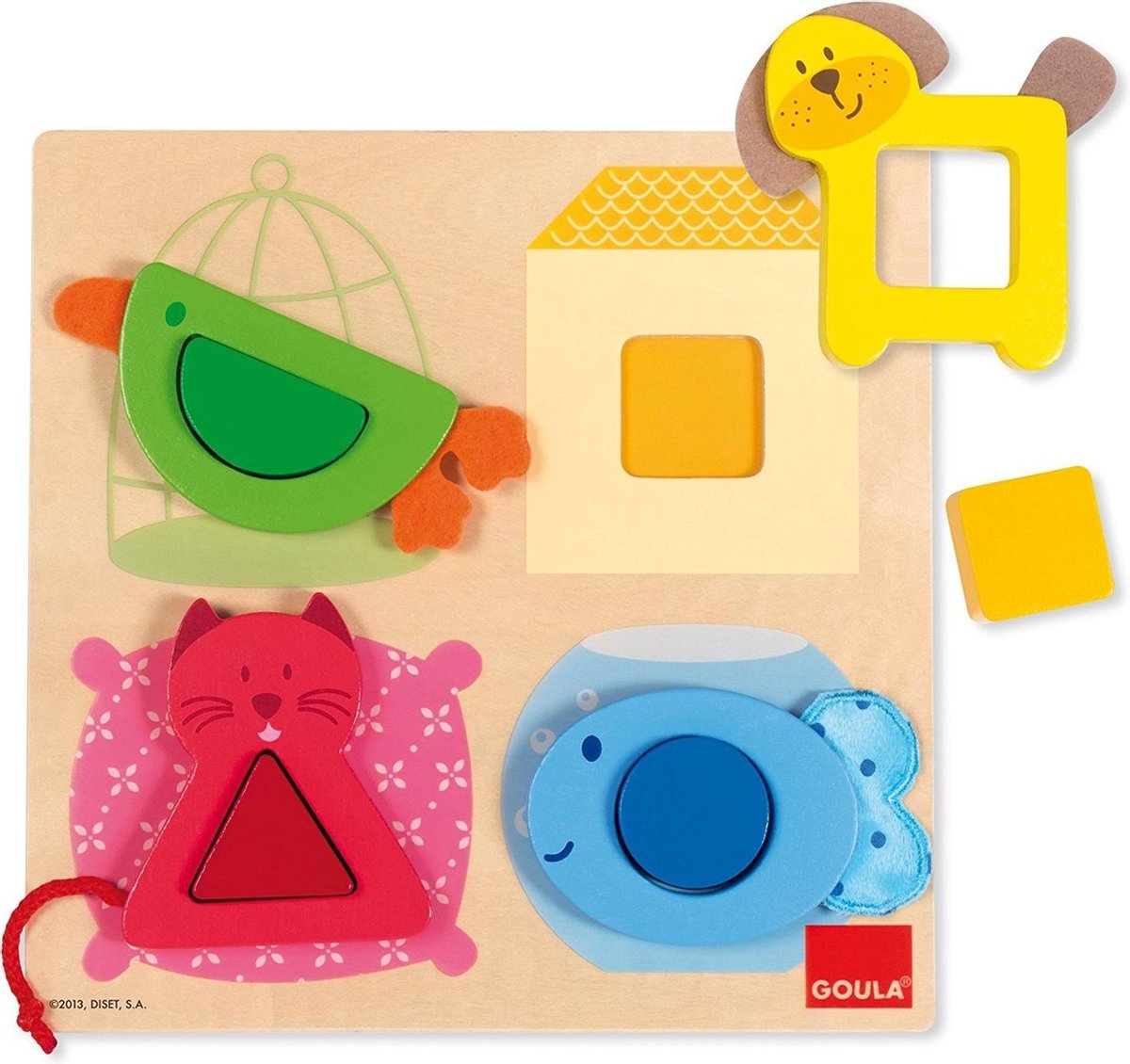
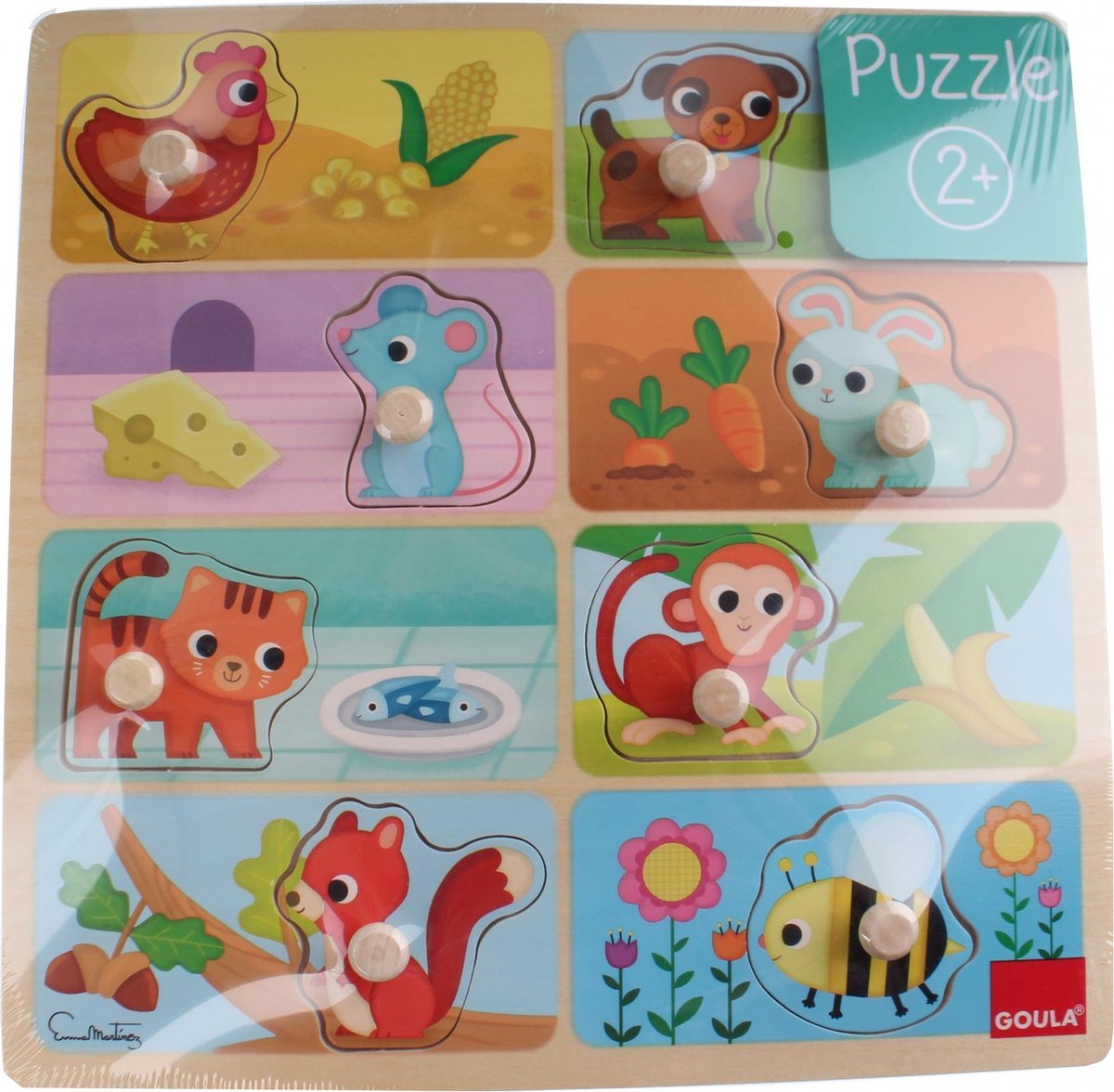
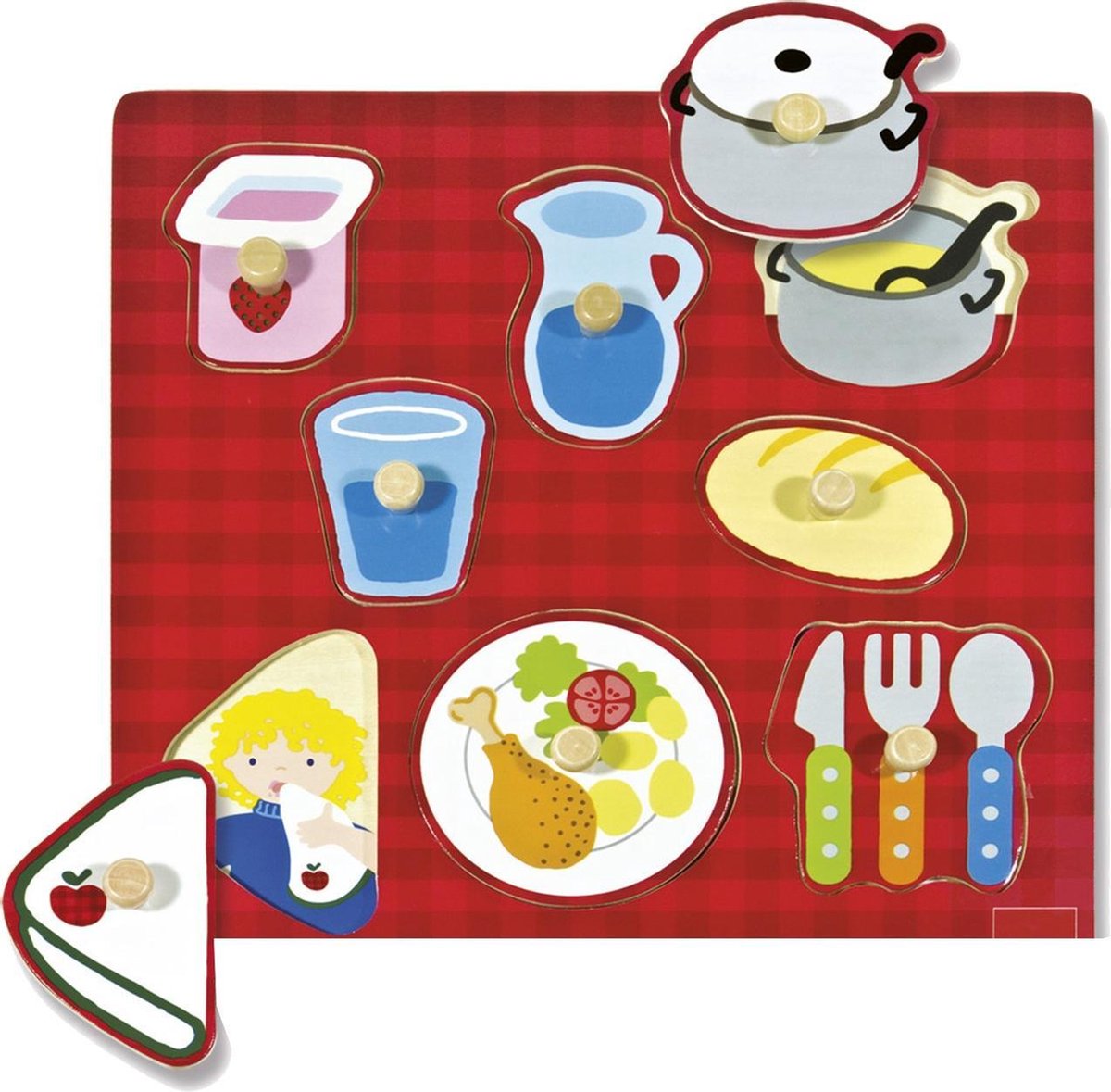
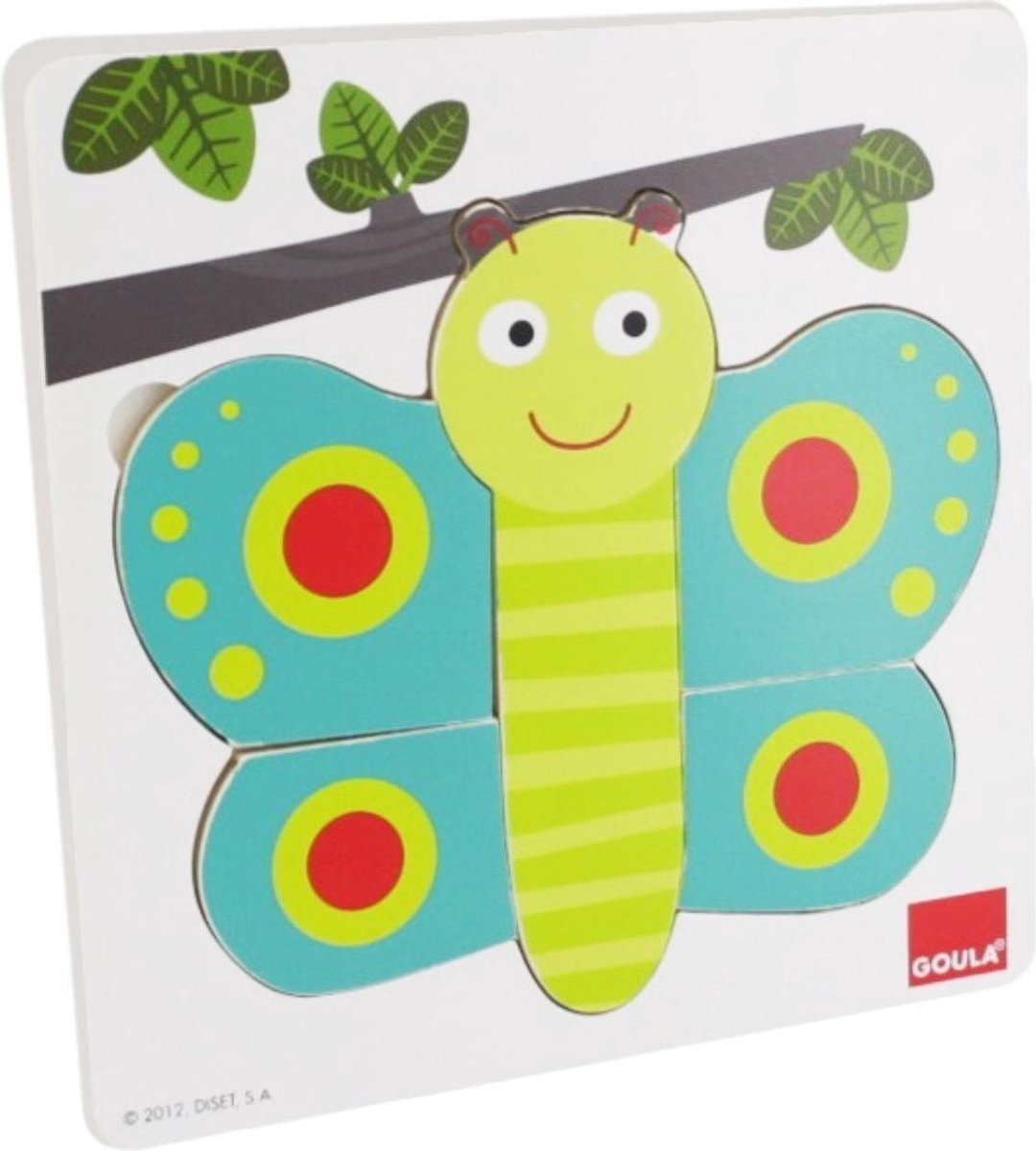
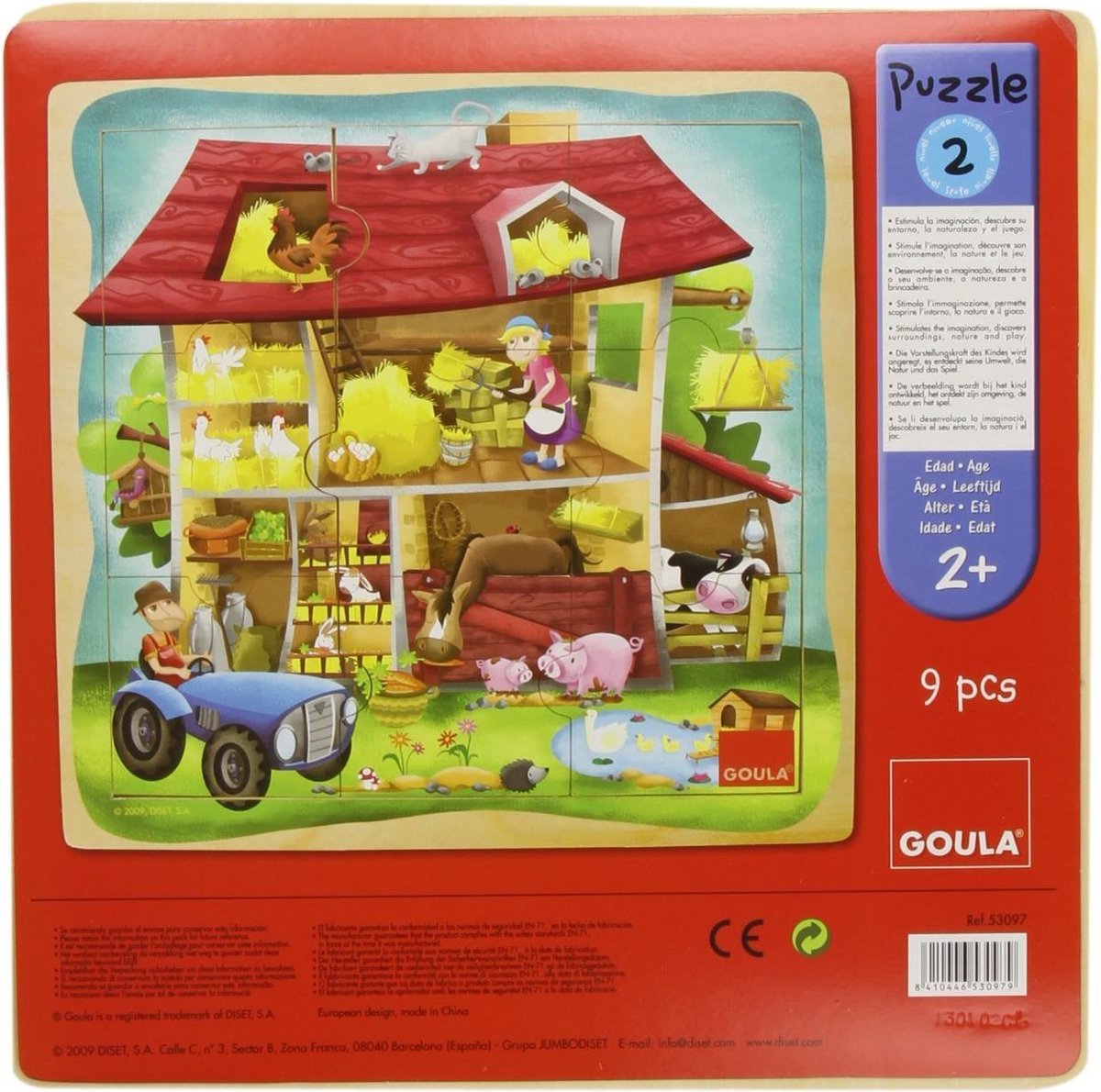
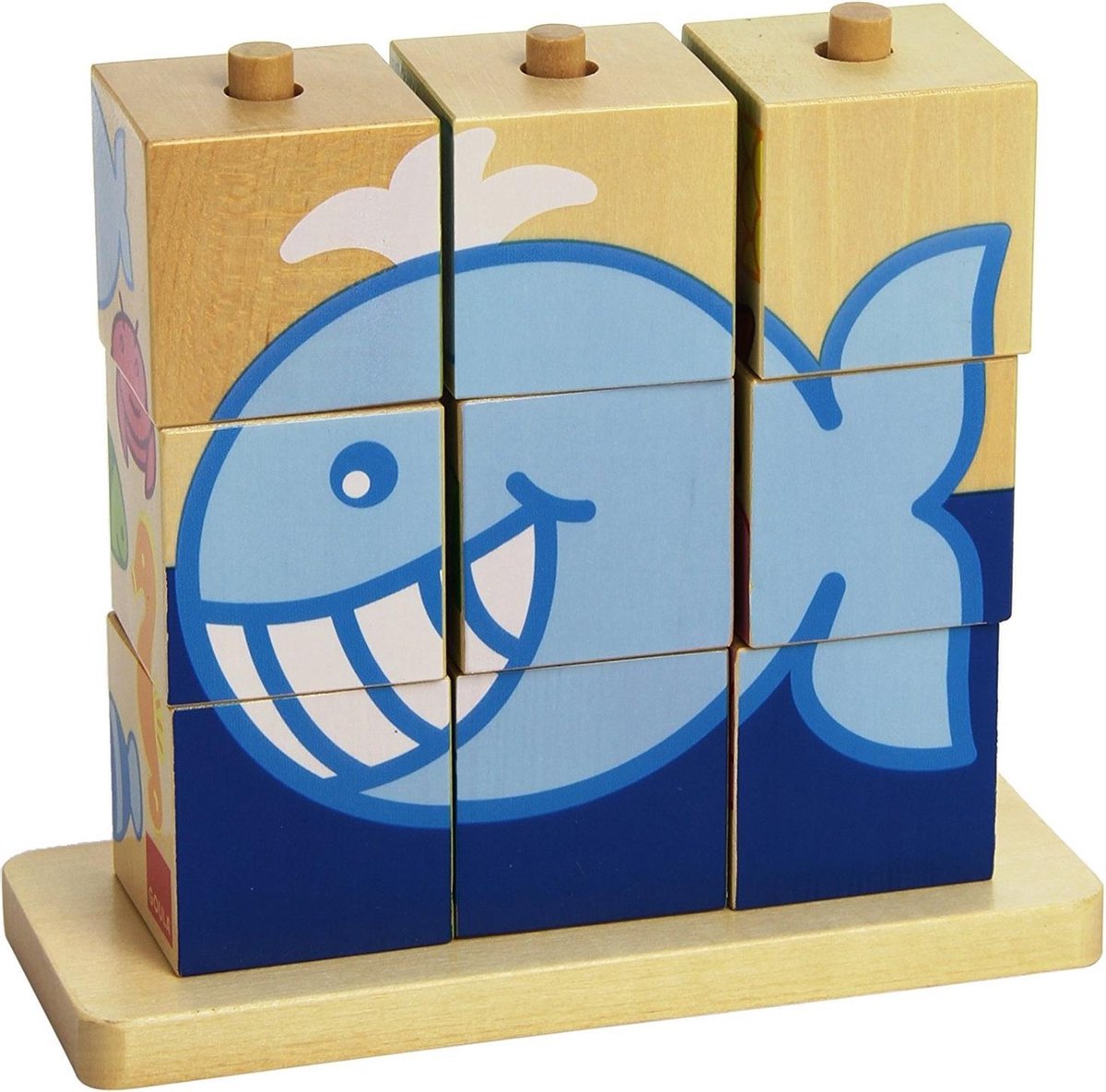
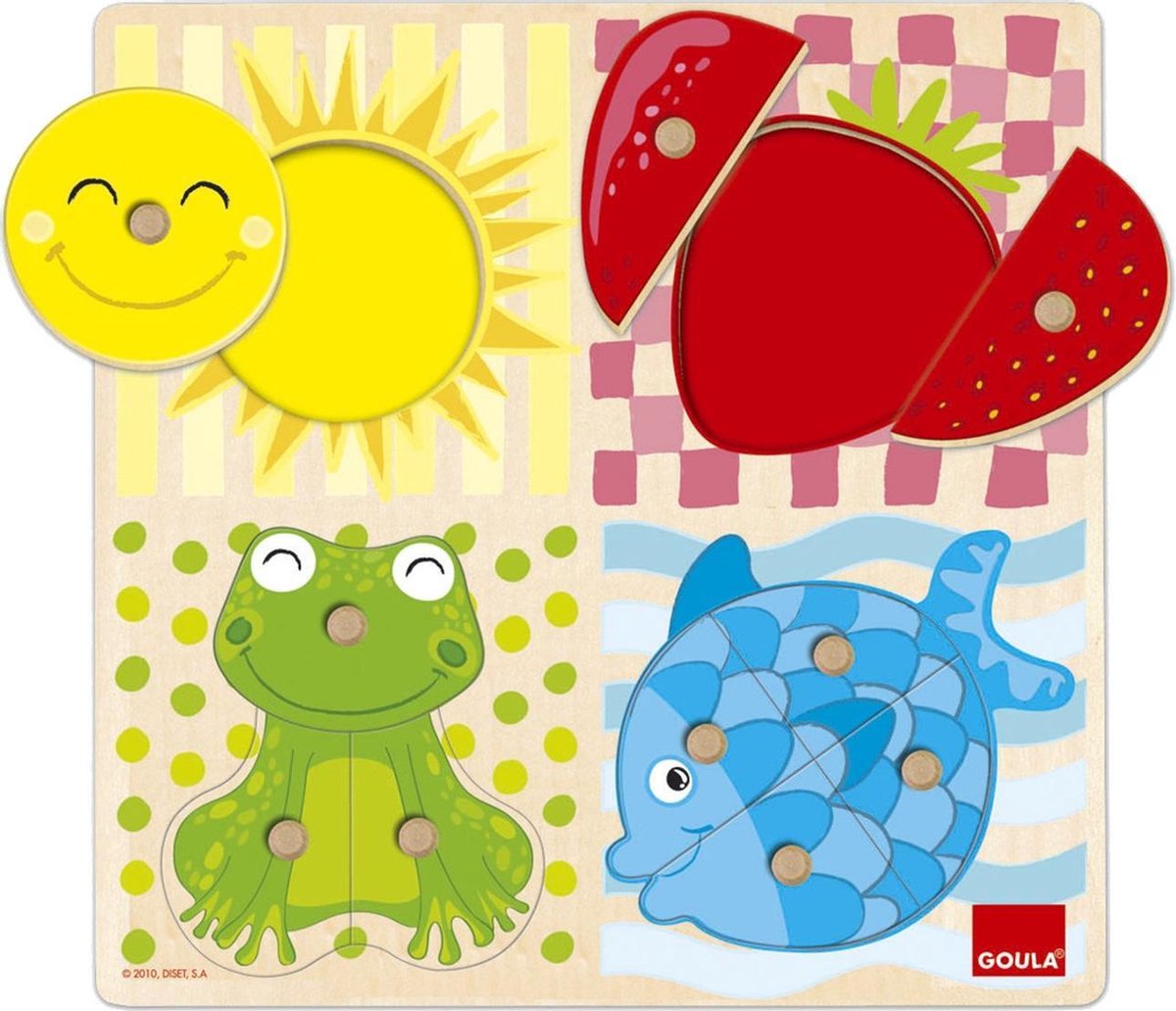
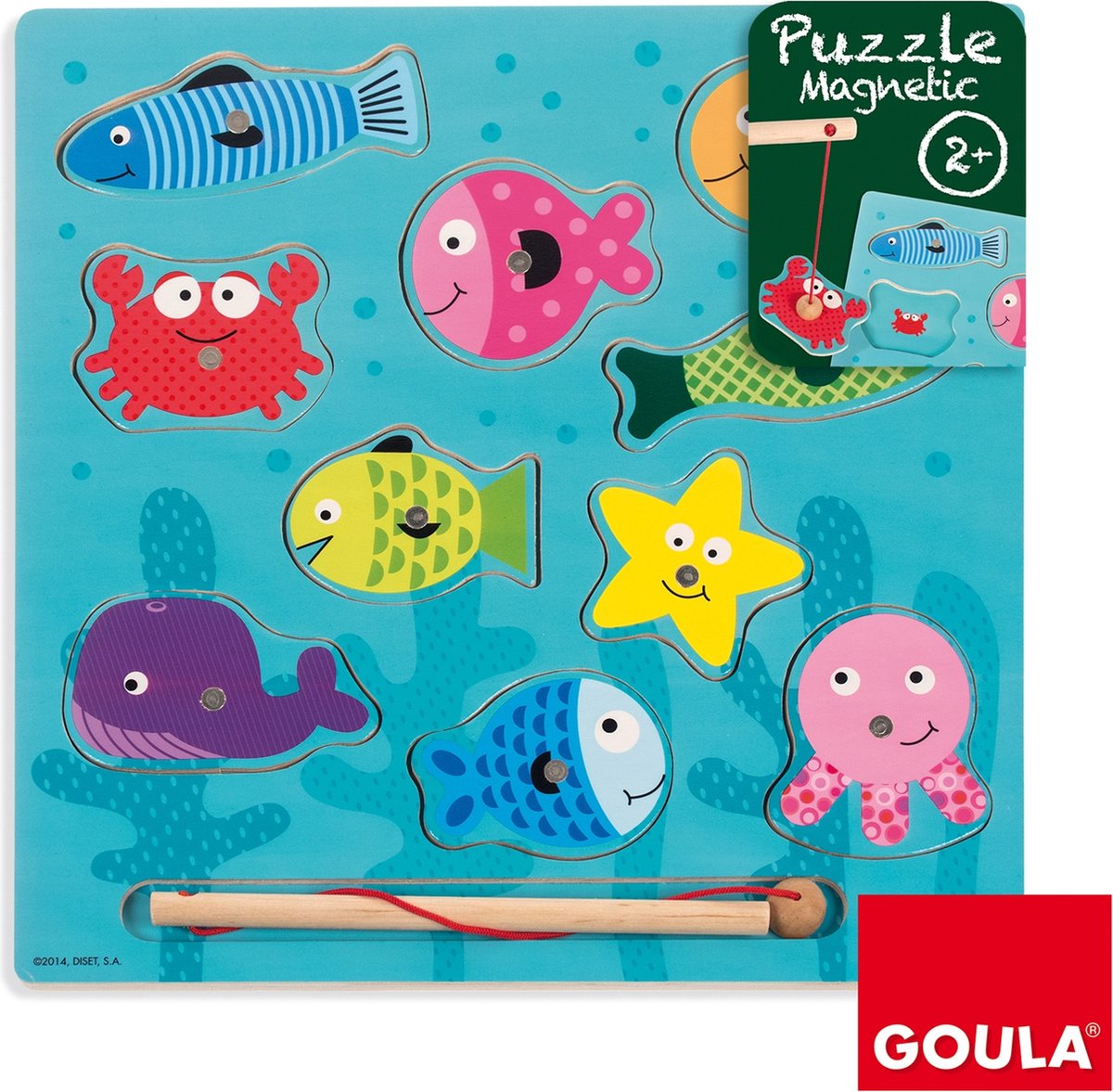
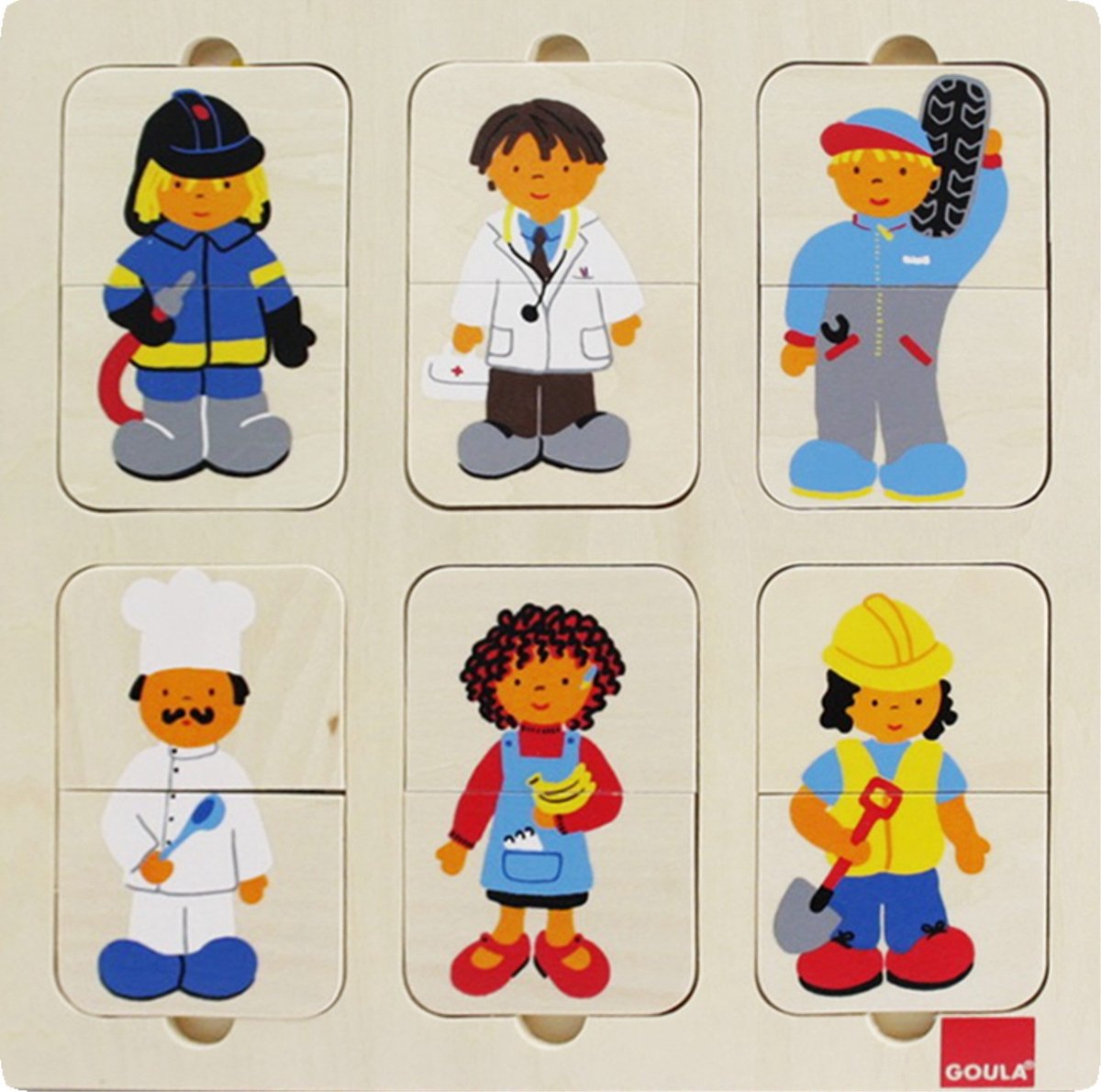
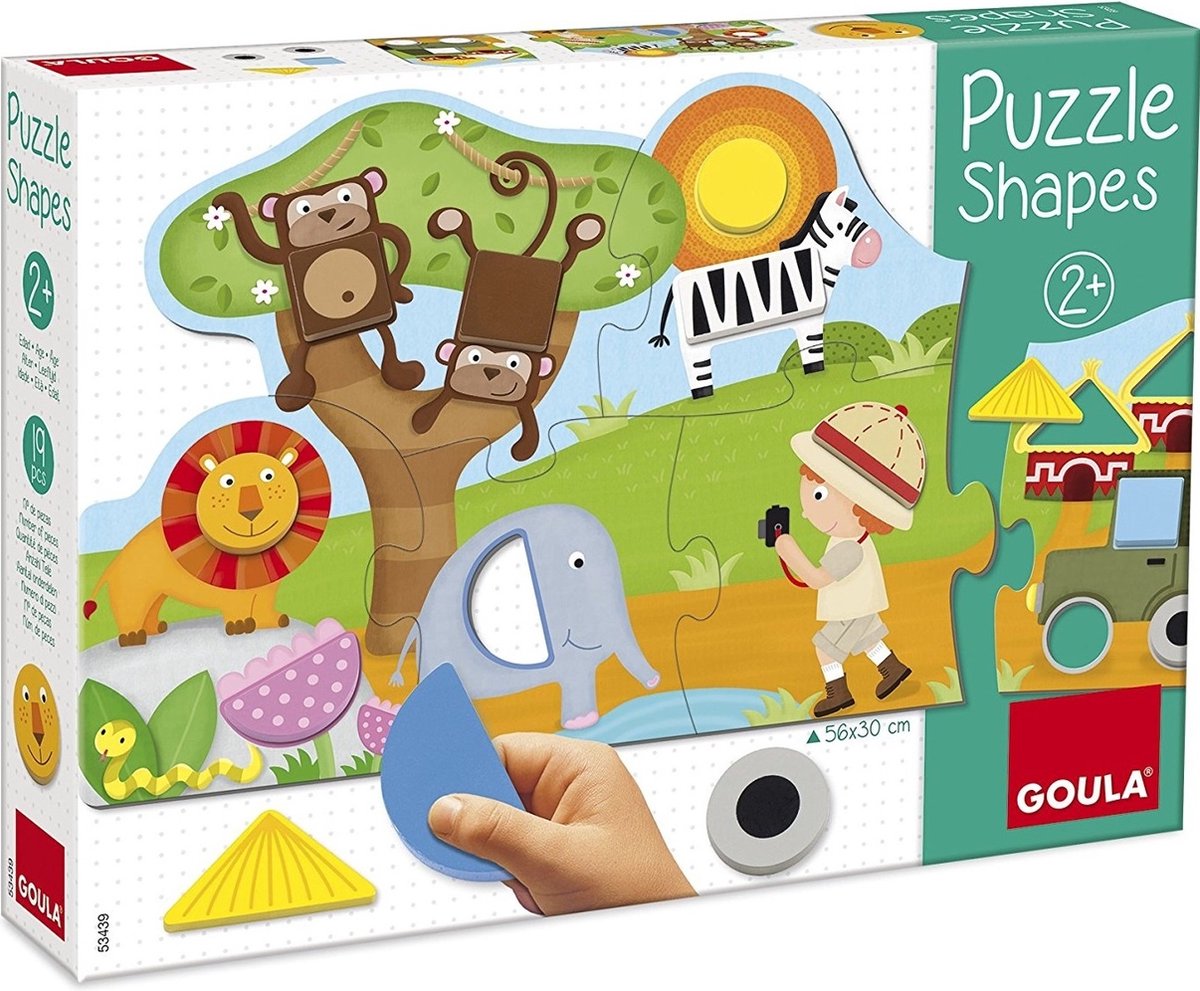
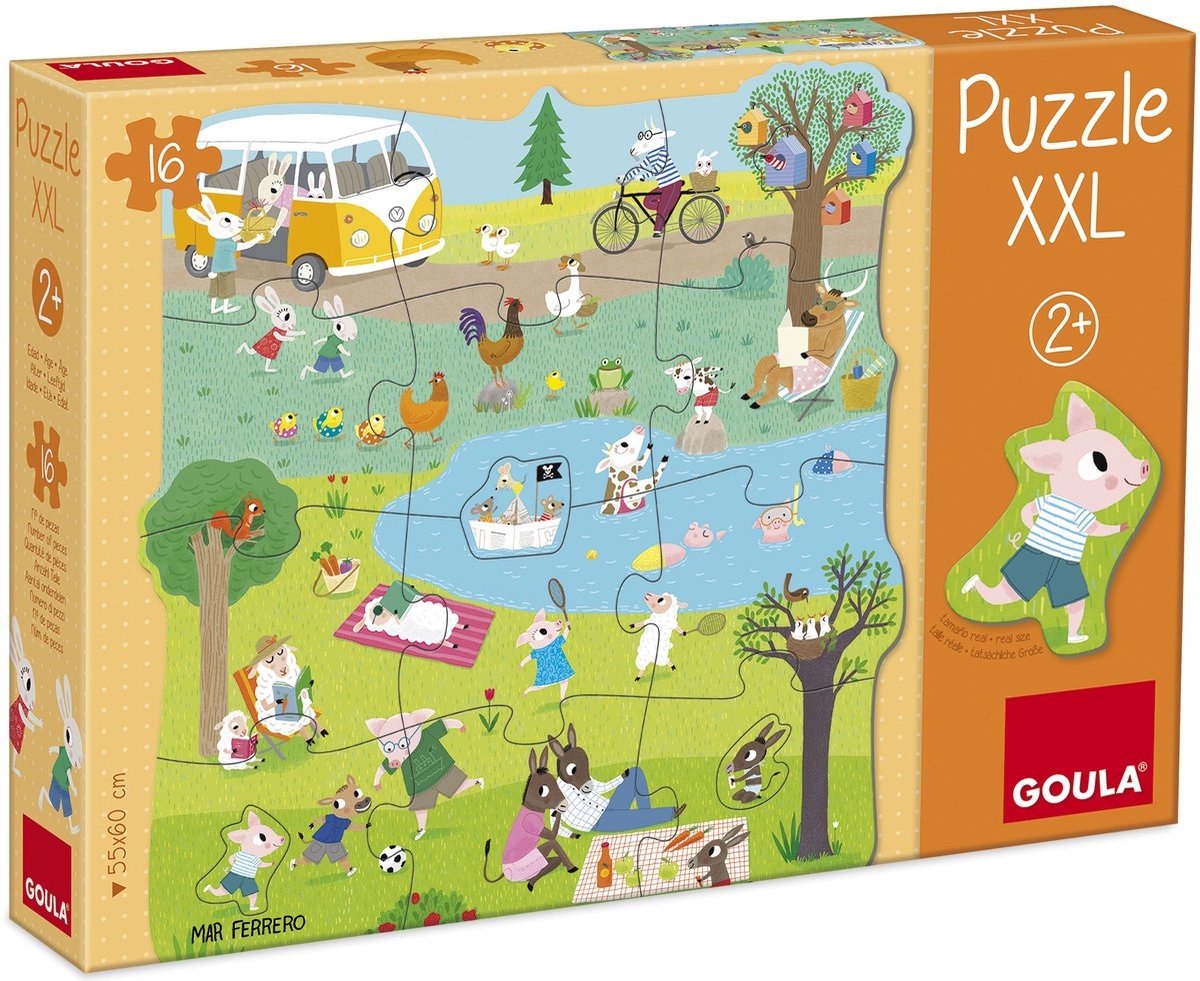
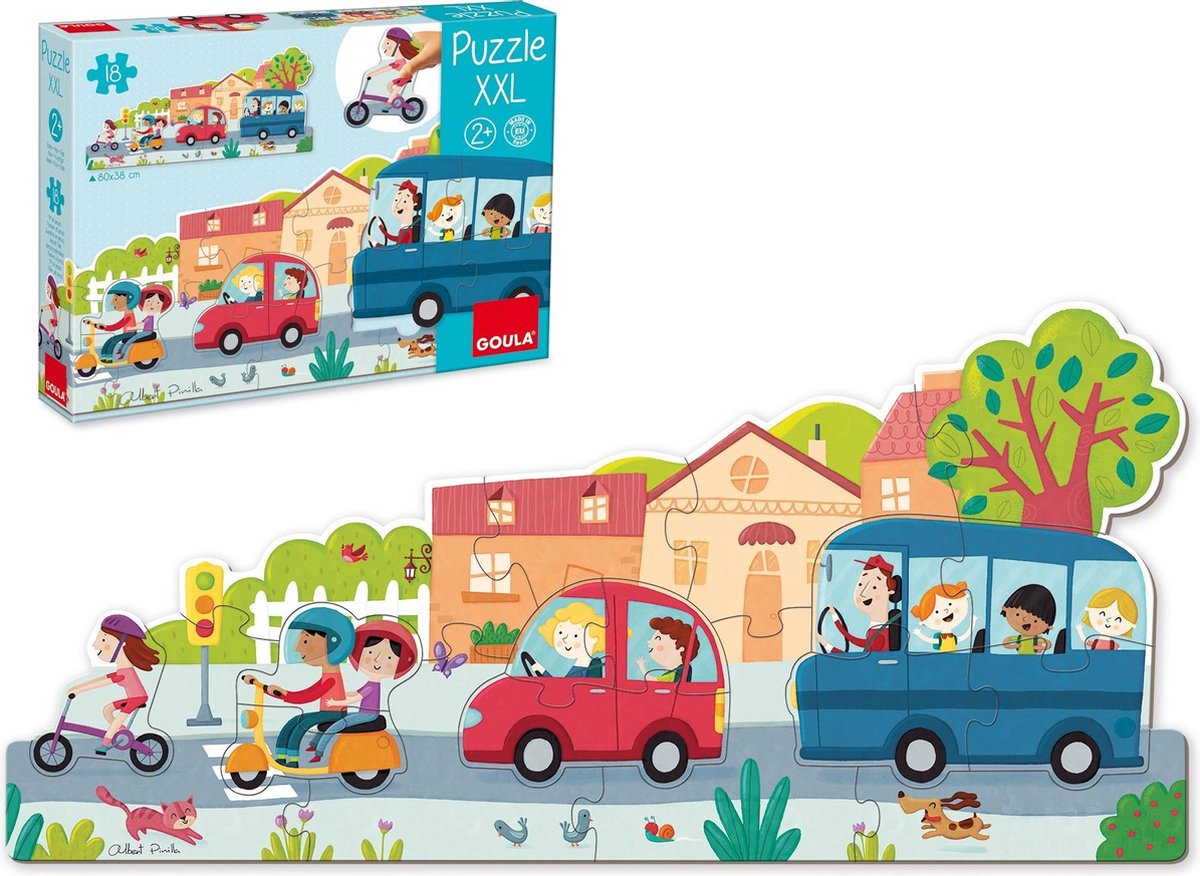
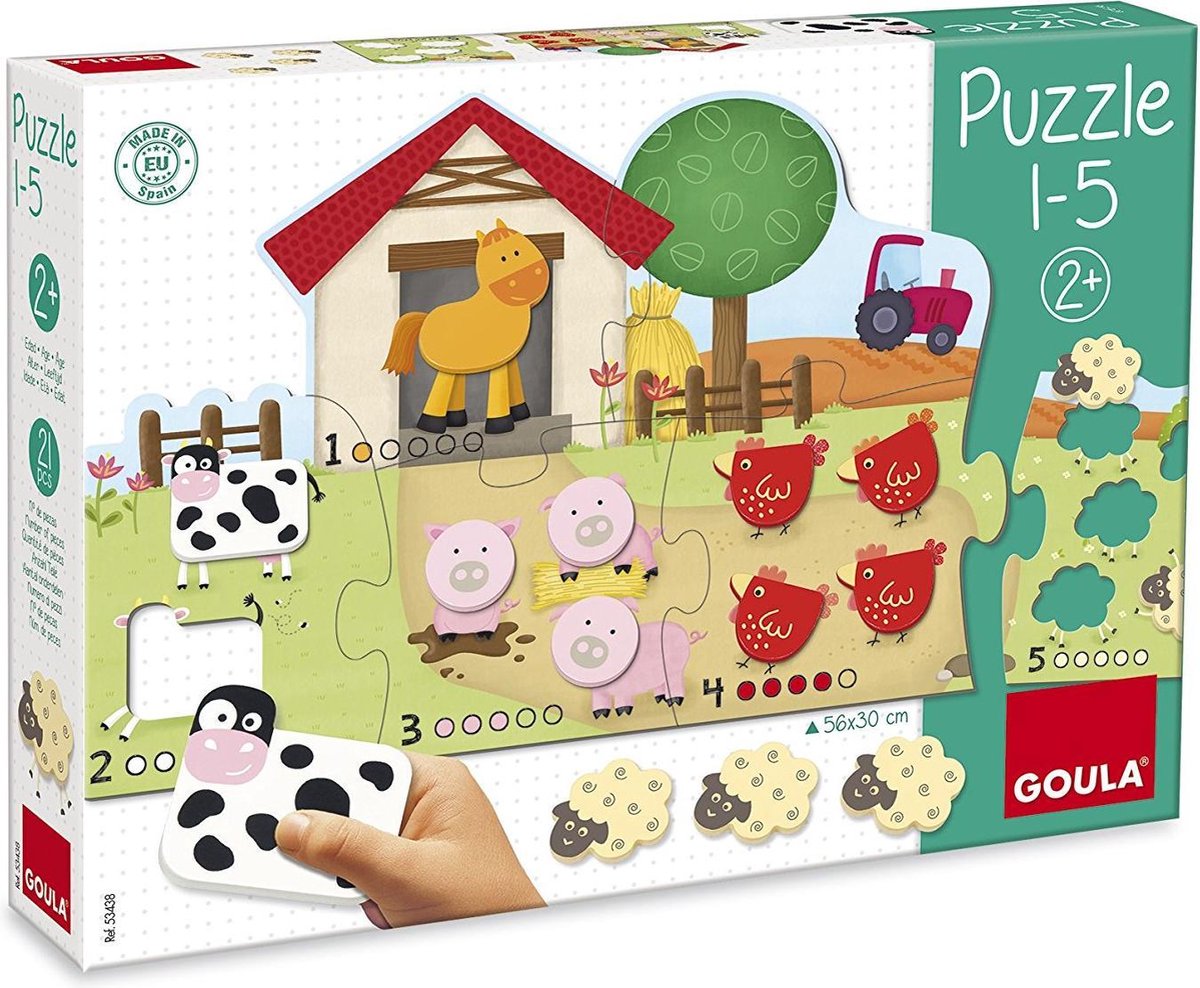
Example of a Goula puzzle
Goula puzzles 1 Pieces
Goula puzzles 3 Pieces
Goula puzzles 4 Pieces
Goula puzzles 7 Pieces
Goula puzzles 8 Pieces
Goula puzzles 9 Pieces
Goula puzzles 10 Pieces
Goula puzzles 12 Pieces
Goula puzzles 13 Pieces
Goula puzzles 16 Pieces
Goula puzzles 18 Pieces
Goula puzzles 21 Pieces
Which puzzles for which ages?
If you have any doubts about a puzzle and the age of a child, you will find an overview in the table below (possibly more explanation on the 'what age how many pieces'):