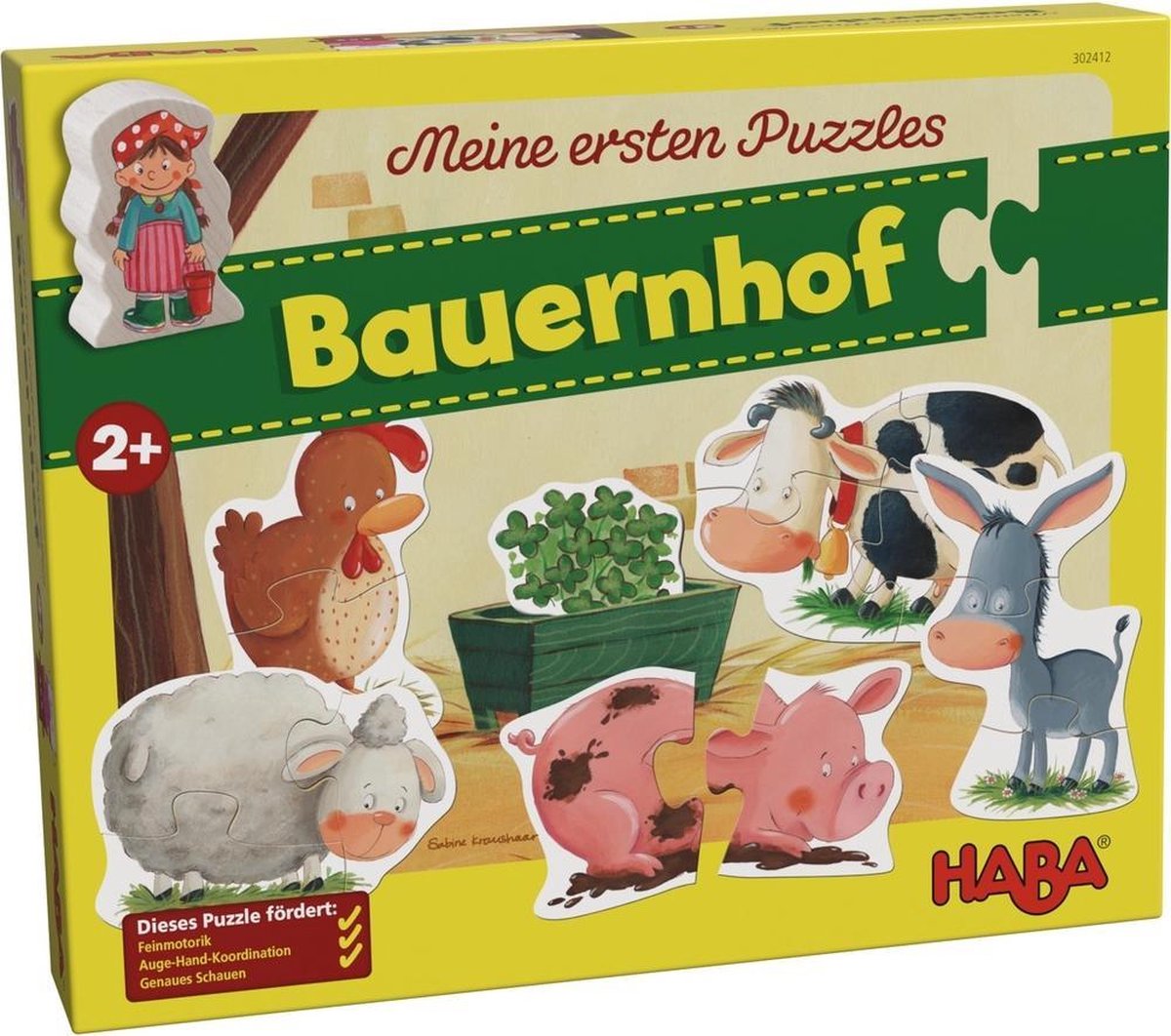
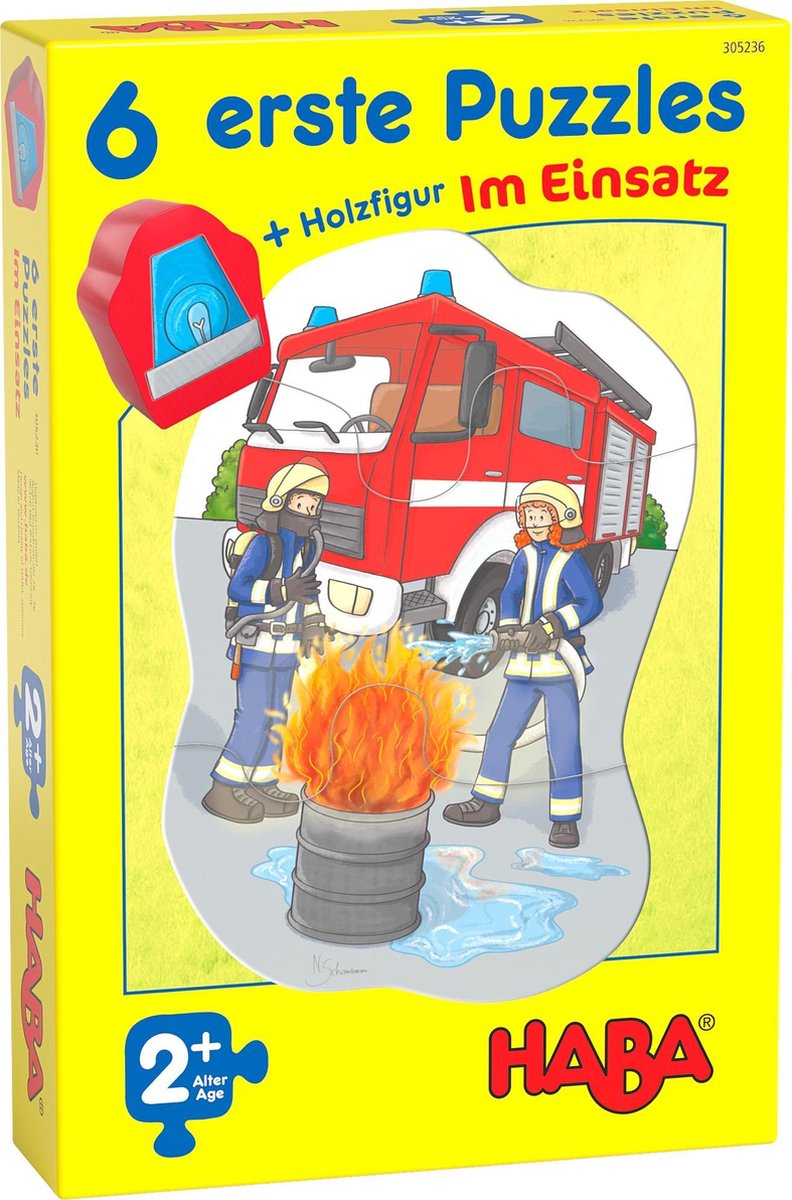
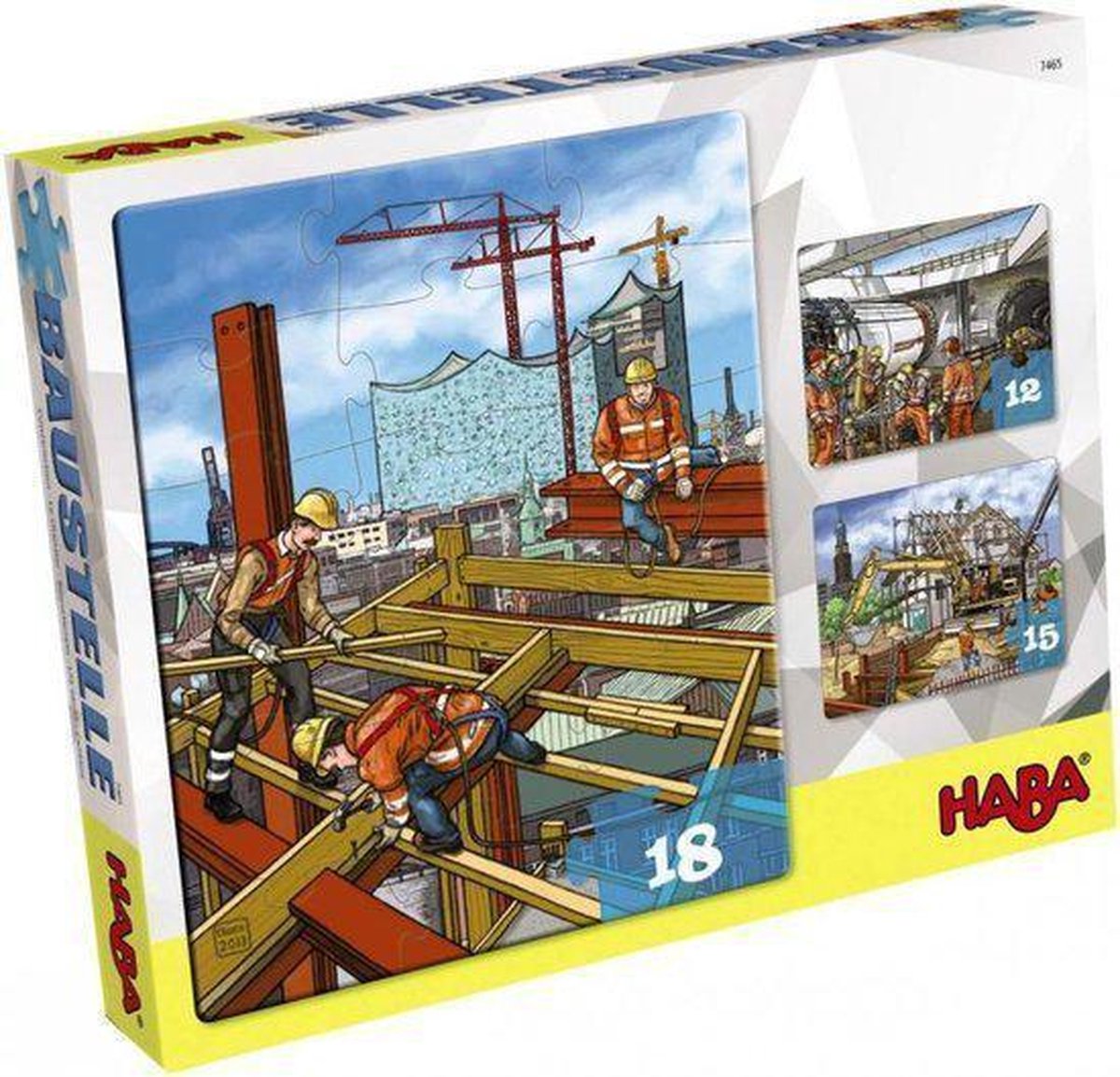
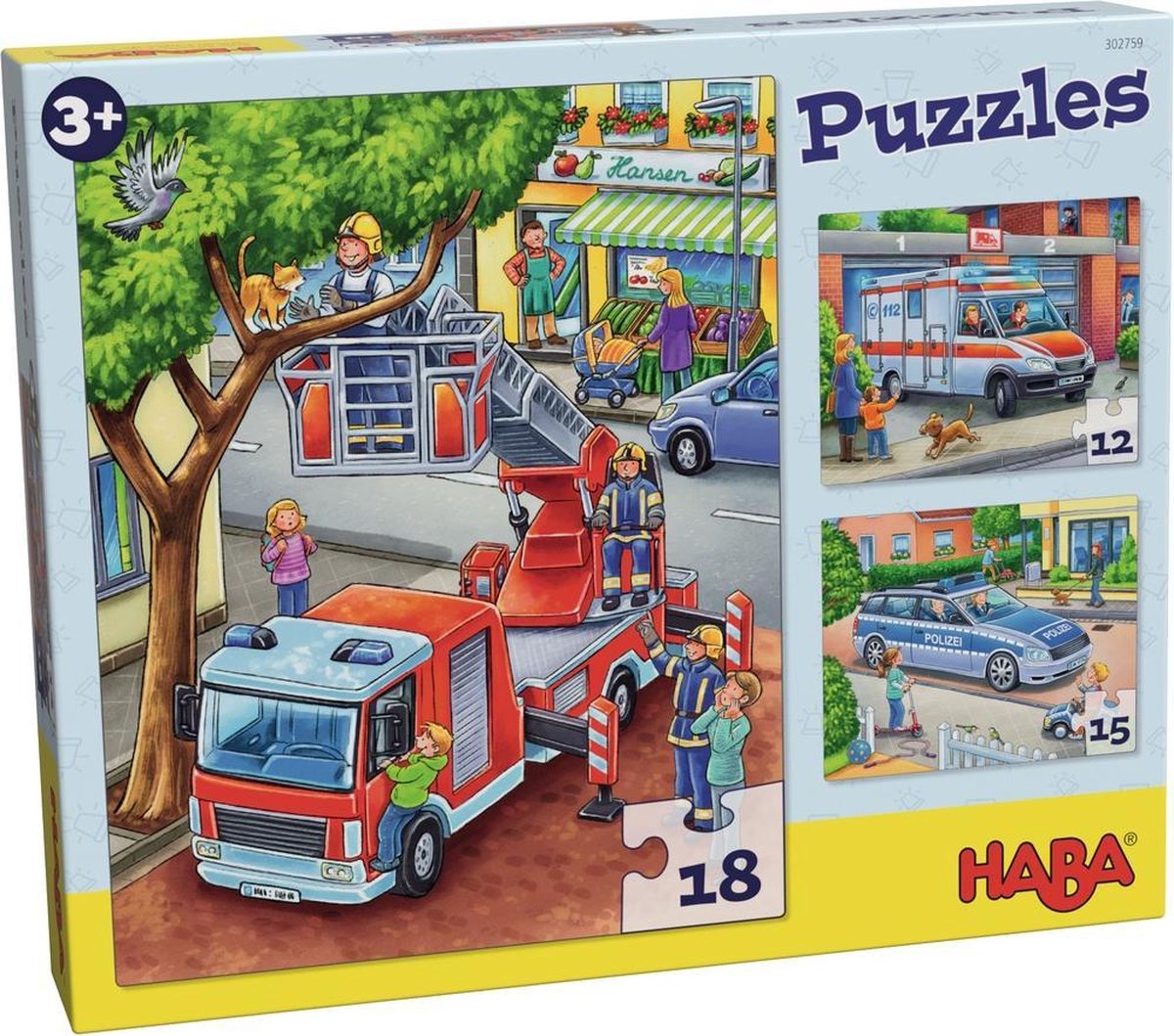
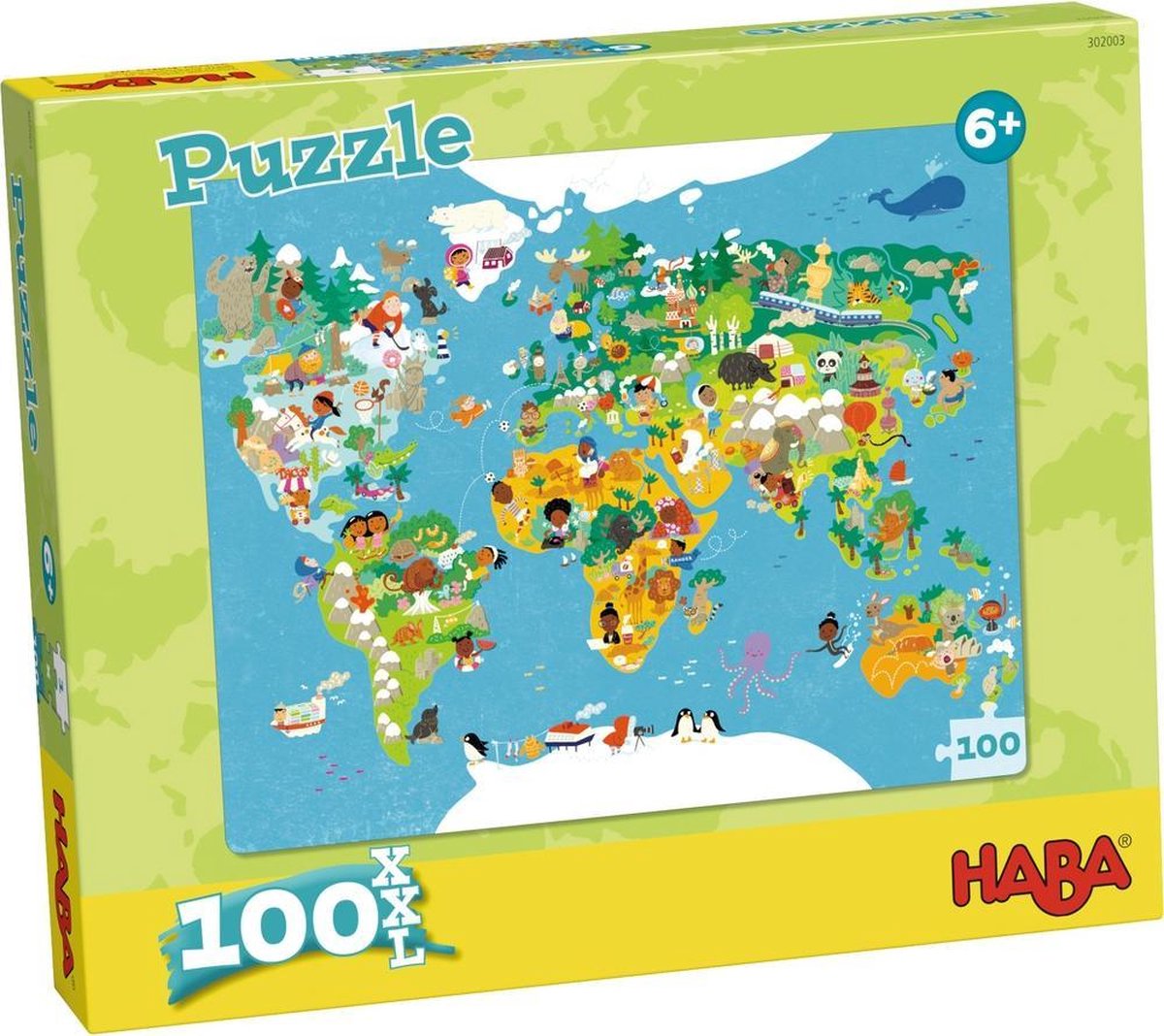
What are Haba Puzzles?
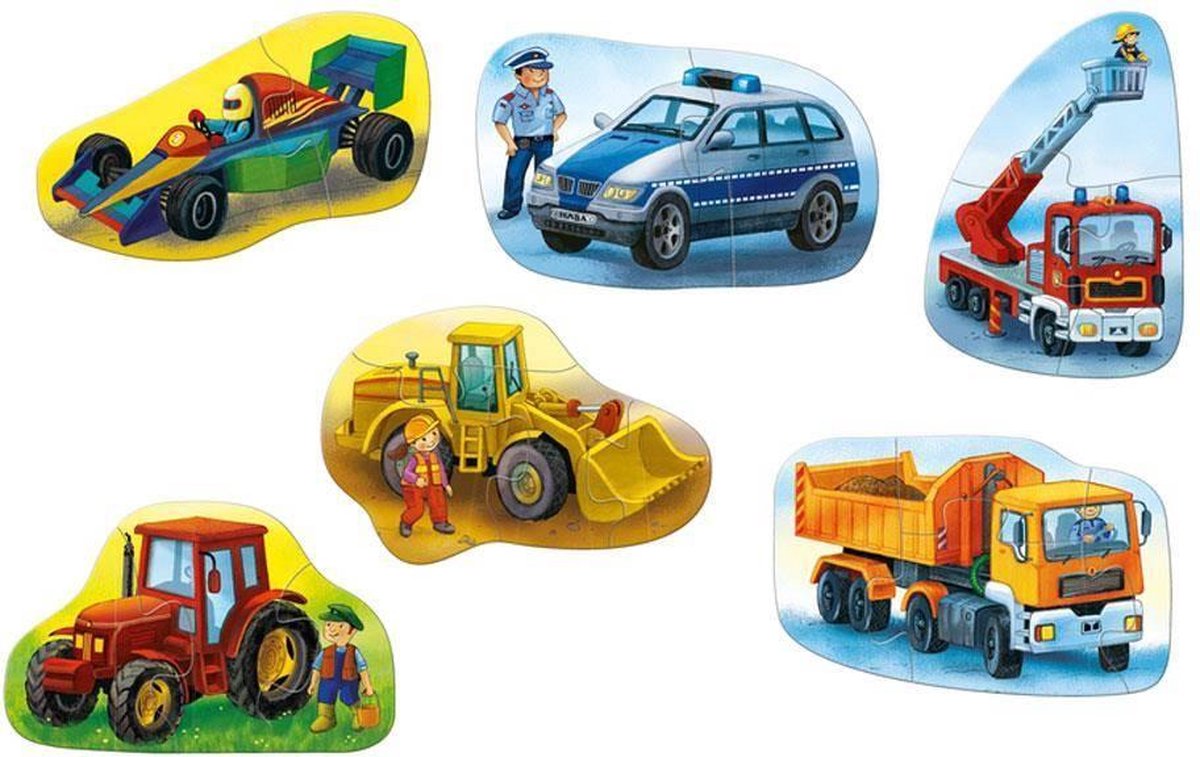
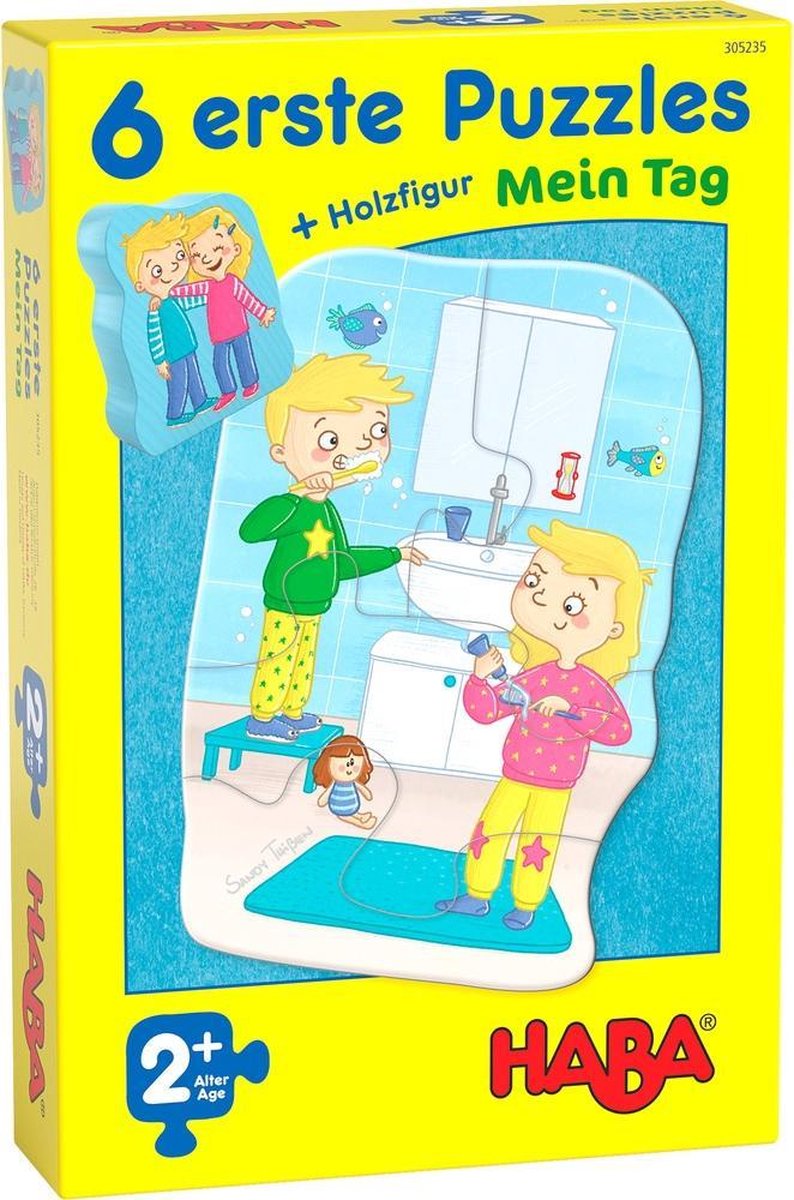
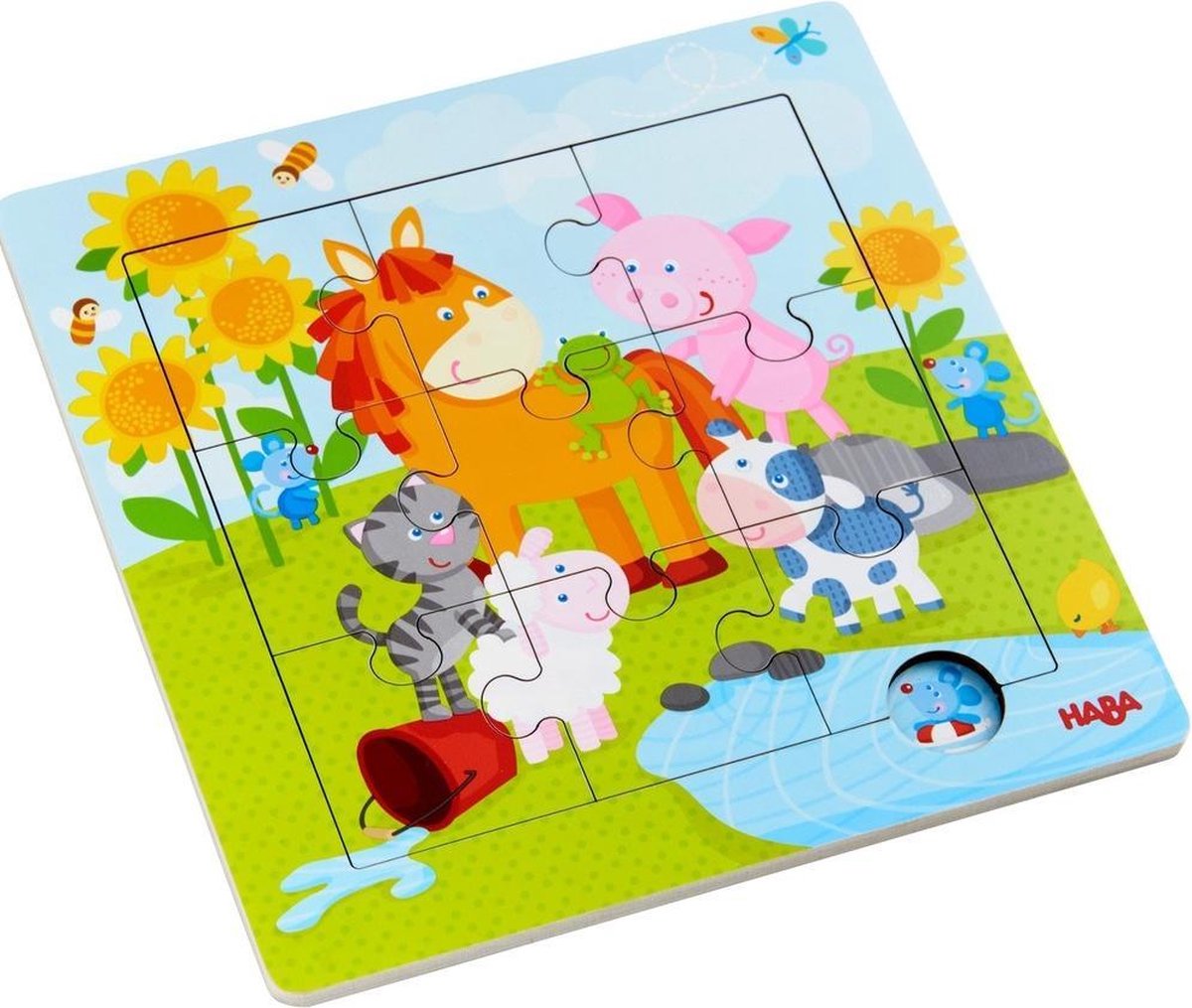
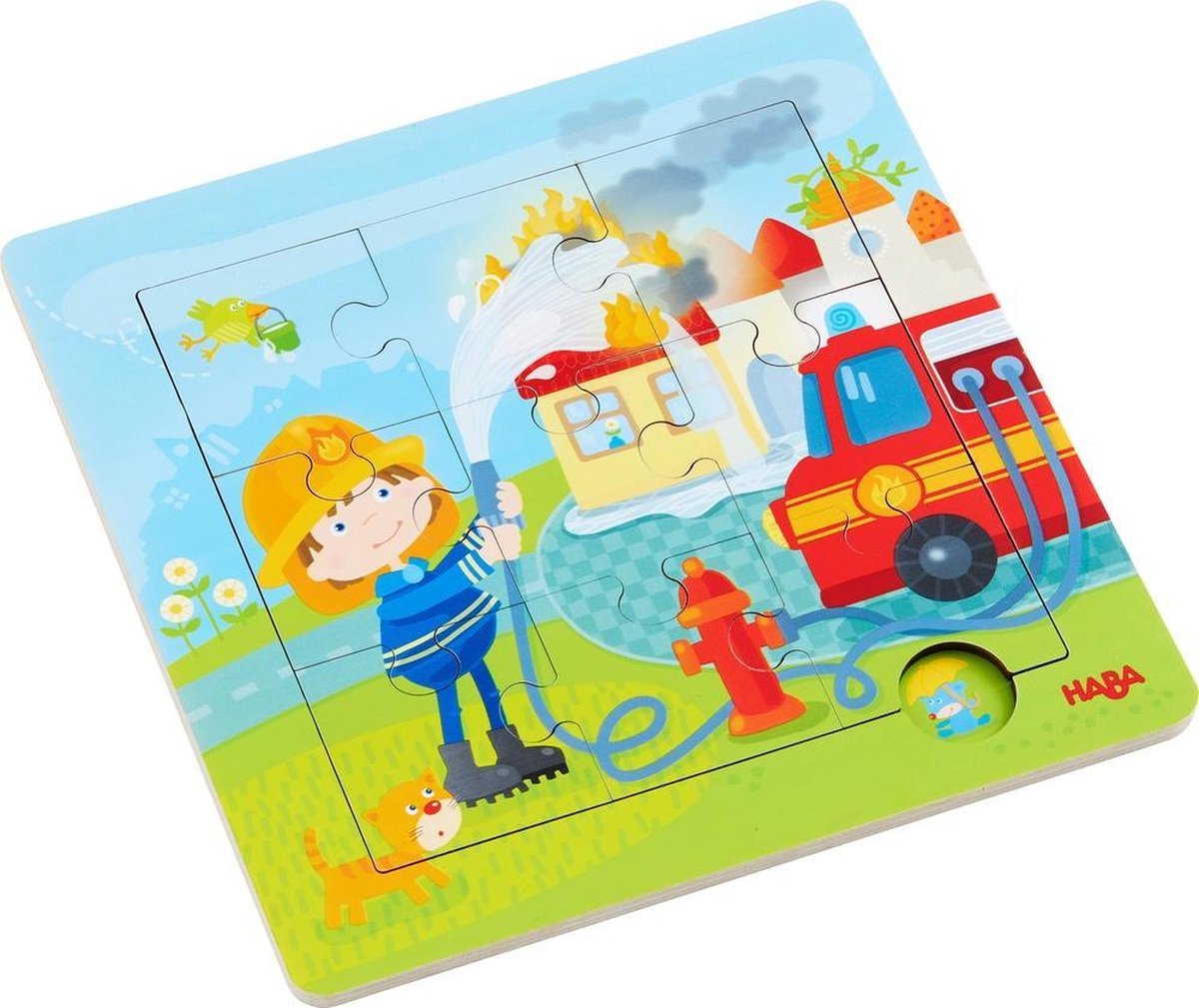
HABA, a well-known brand in the world of toys and games, is also known for its jigsaw puzzles. Founded in 1938 by Eugen Habermaaß, this German company is headquartered in Bad Rodach, Bavaria. HABA is best known for its high-quality children's toys and games, including a varied range of jigsaw puzzles. HABA jigsaw puzzles are designed with children in mind, ranging from simple puzzles for the little ones to more challenging puzzles for older children. These puzzles are often thematic and educational, featuring images of animals, nature scenes, fairytale characters, and everyday activities. The quality and safety of the materials are of paramount importance at HABA, and sustainable and non-toxic materials are used. In terms of types, HABA offers a range of puzzles such as:
- Floor puzzles: Larger puzzle pieces, ideal for younger children.
- Frame puzzles: These puzzles have a fixed edge or frame, which helps define the space for puzzling.
- Educational Puzzles: Designed to develop specific skills such as fine motor skills, problem solving, and observation skills.
- Thematic puzzles: With themes ranging from seasons and holidays to fairy tales and adventures.
HABA has built a strong reputation in the toy industry, thanks in part to their commitment to quality and encouraging children's development through their products. Their jigsaw puzzles are an excellent example of this.
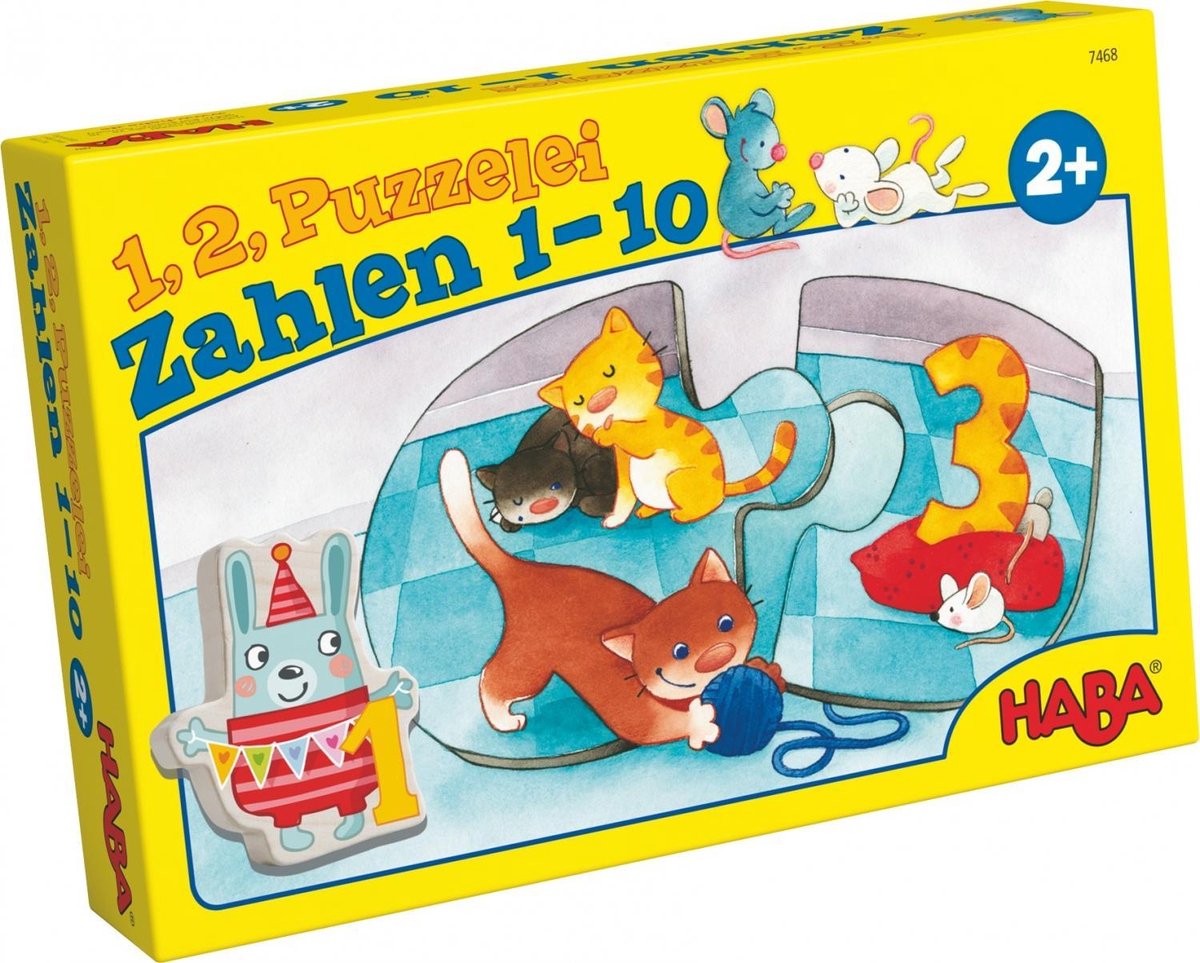
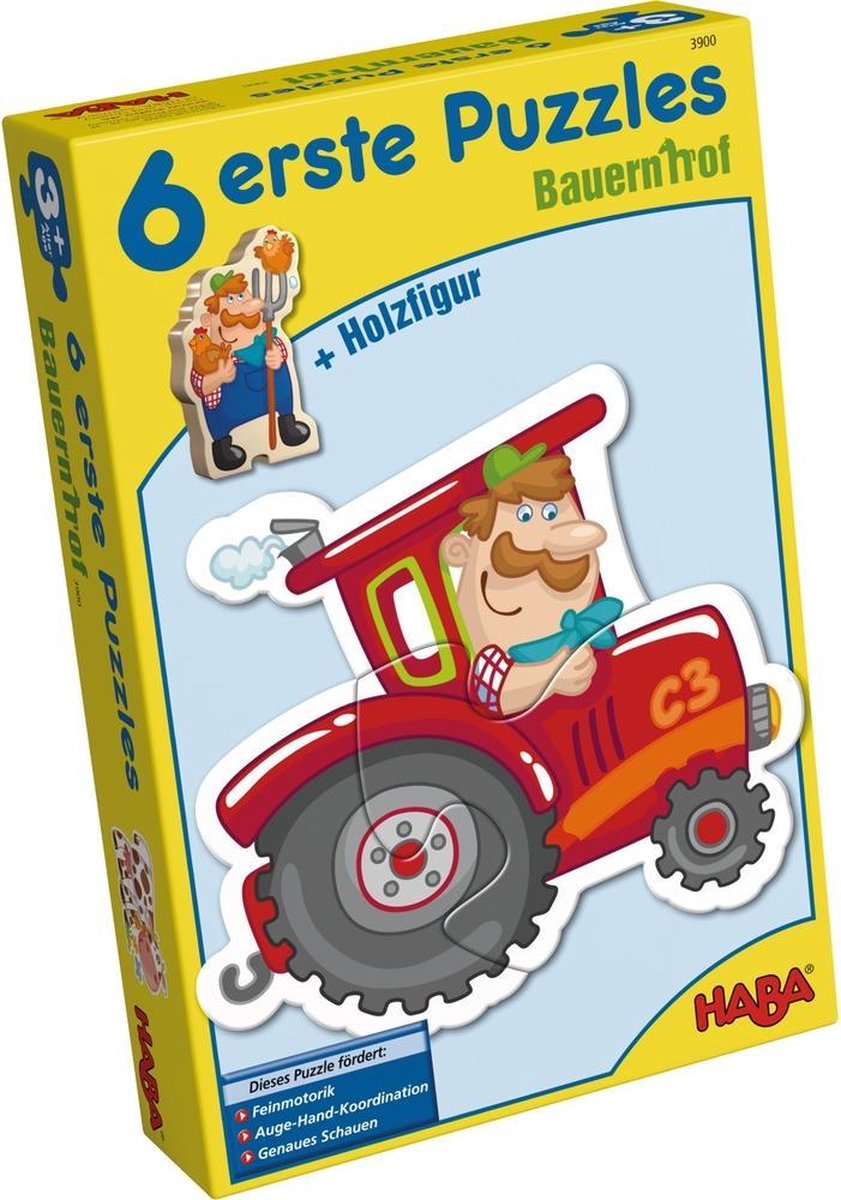
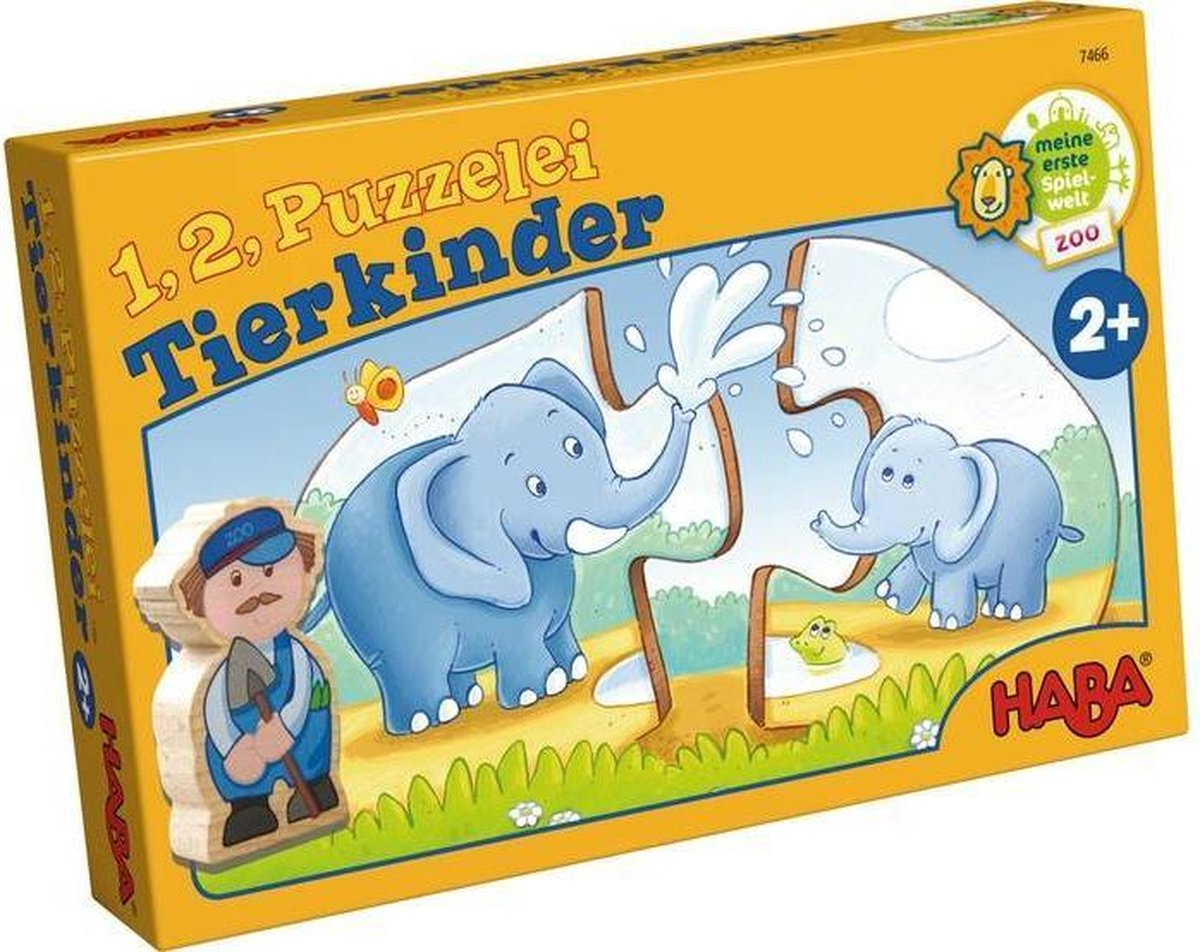
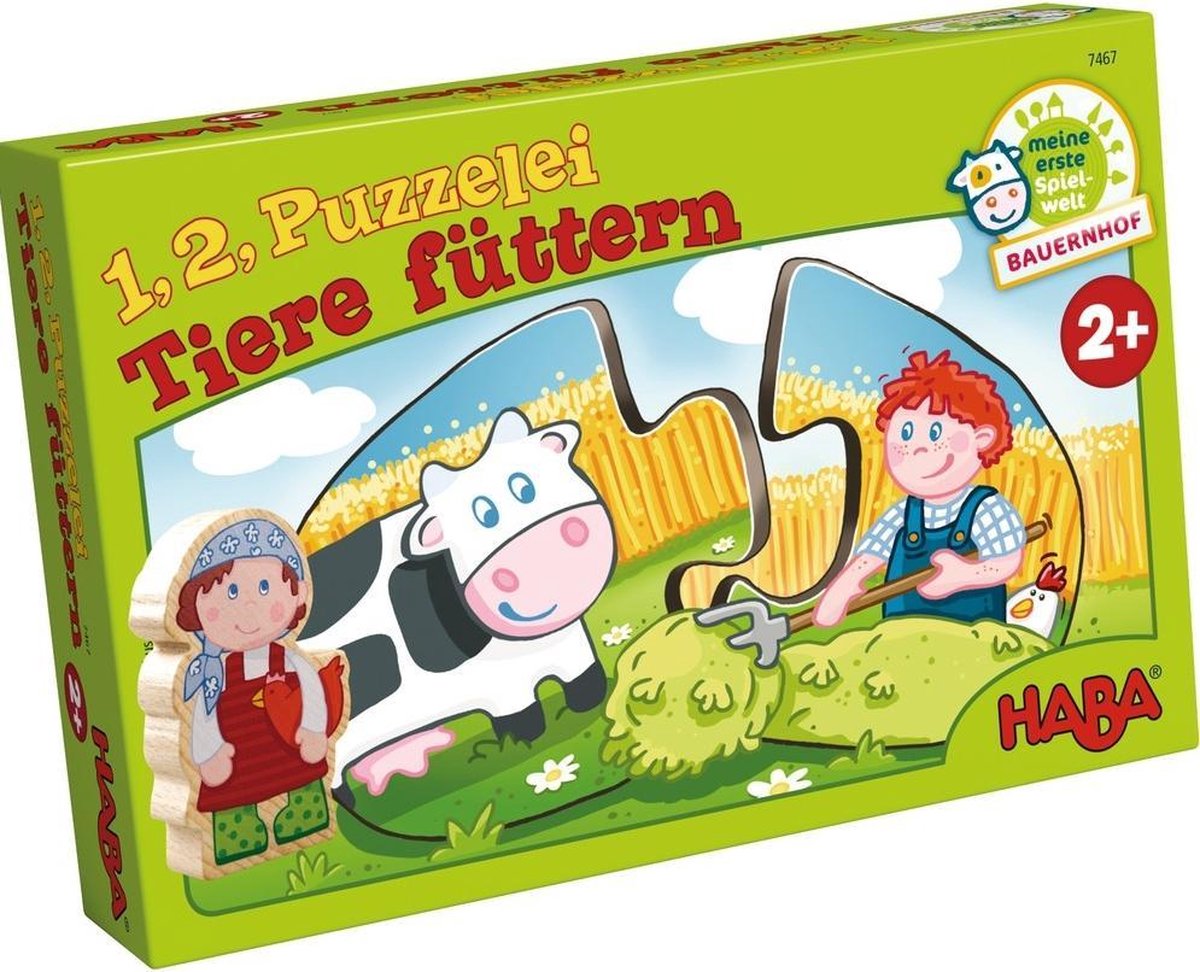
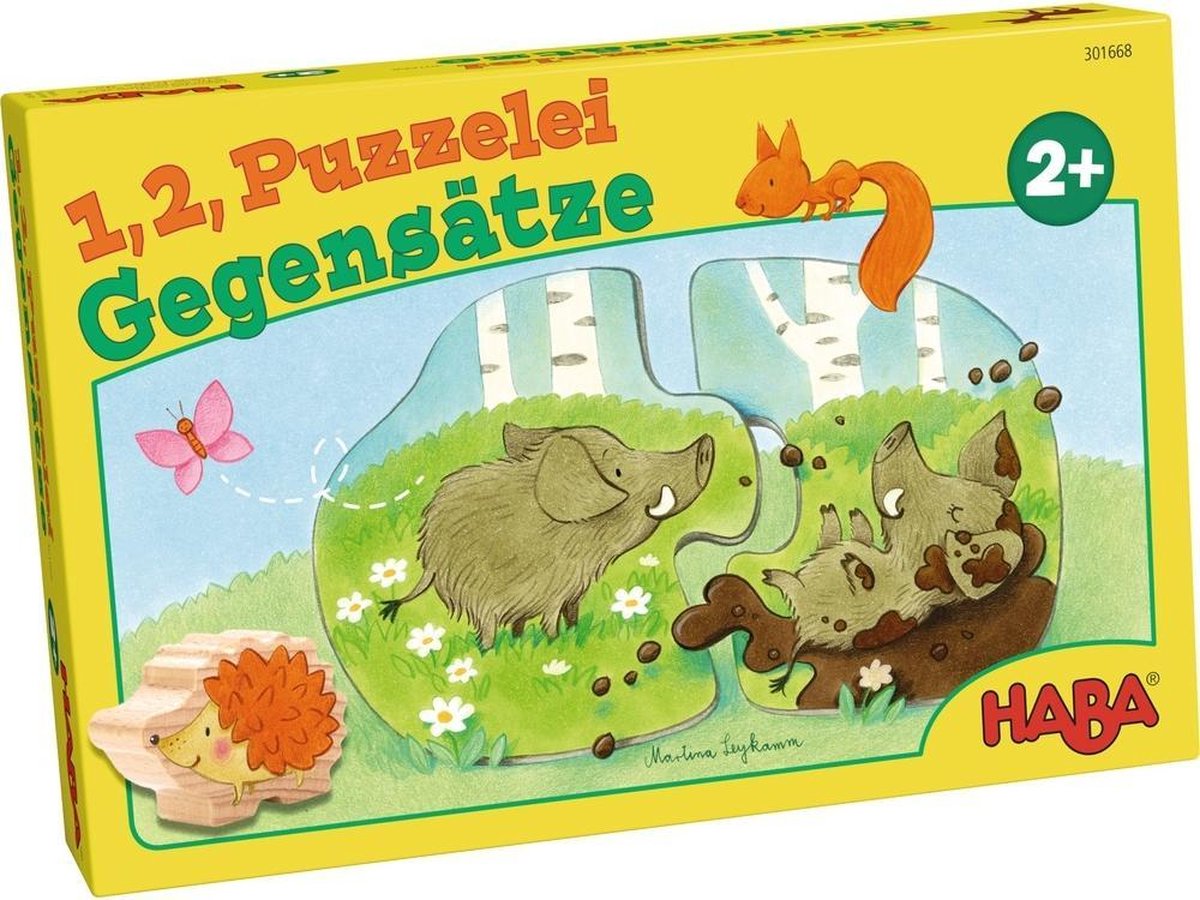
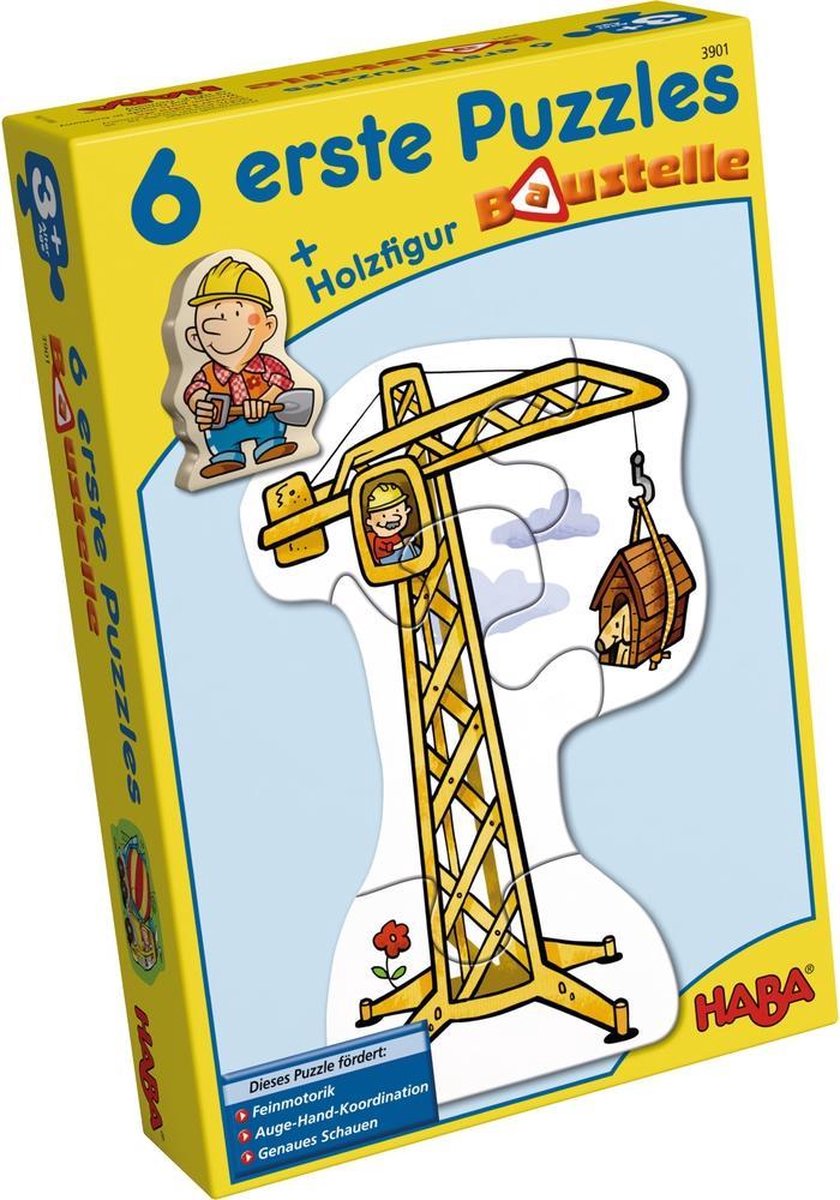
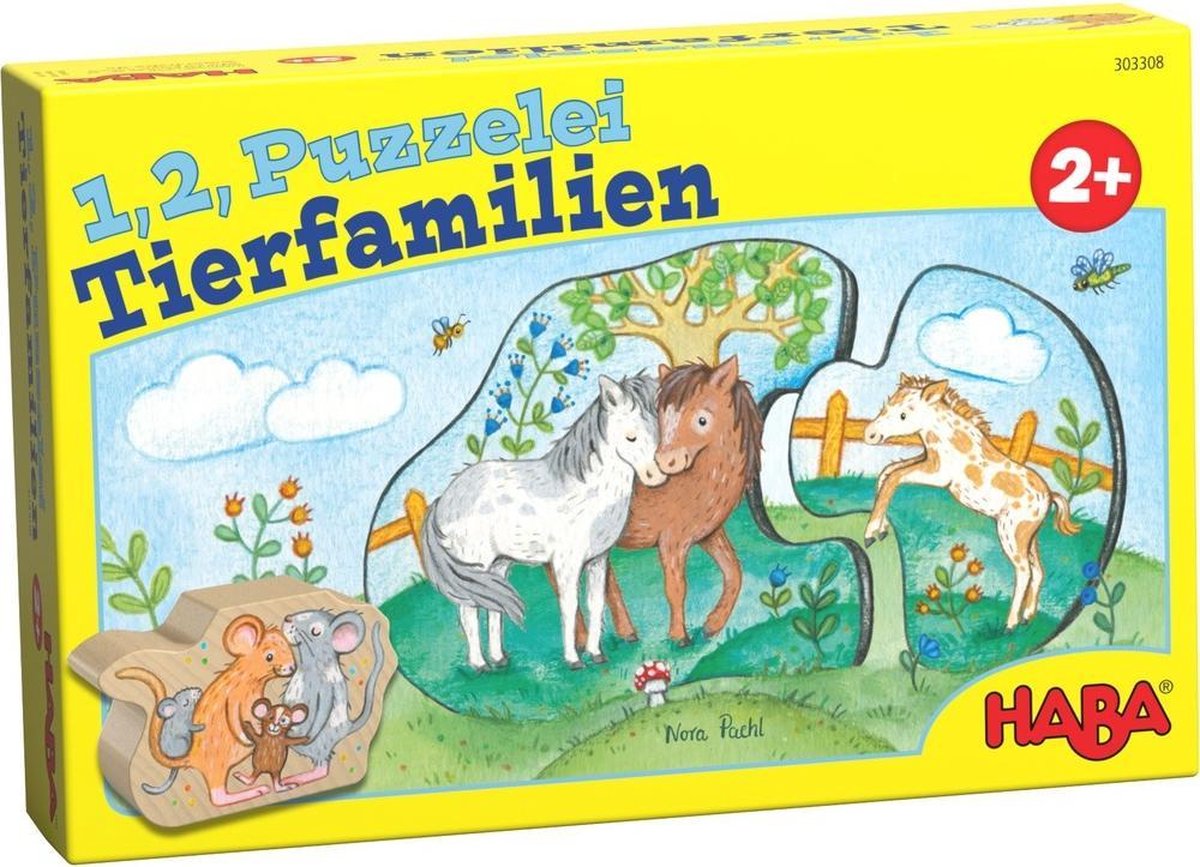
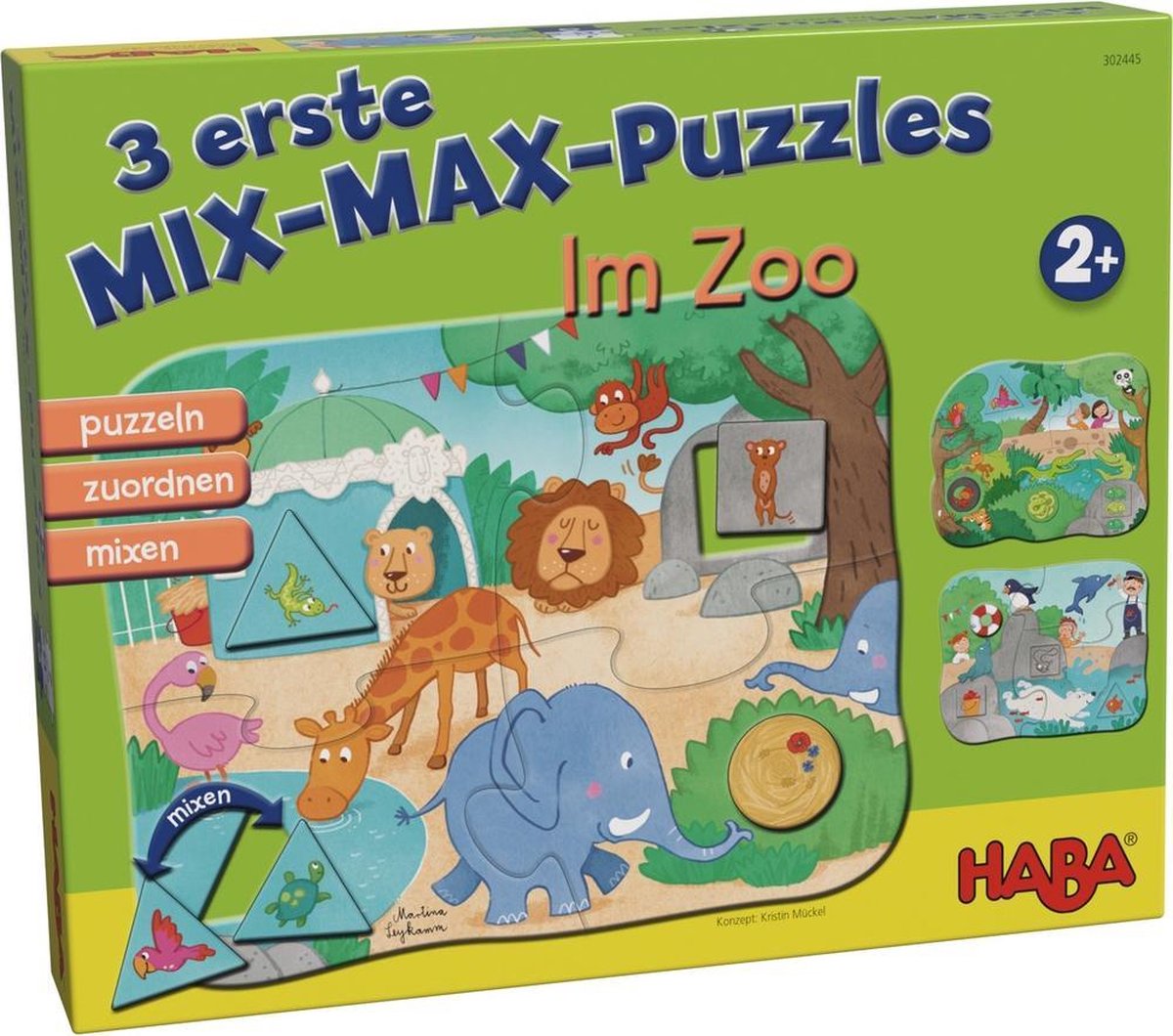
Example of a Haba puzzle
Haba puzzles 2 pieces
Haba puzzles 6×2 Pieces
Haba puzzles 7×2 Pieces
Haba puzzles 10×2 Pieces
Haba puzzles 18×2 Pieces
Haba puzzles 2-3-4 Pieces
Haba puzzles 3 pieces
Haba puzzles 10×3 Pieces
Haba puzzles 9 pieces
Haba puzzles 10 pieces
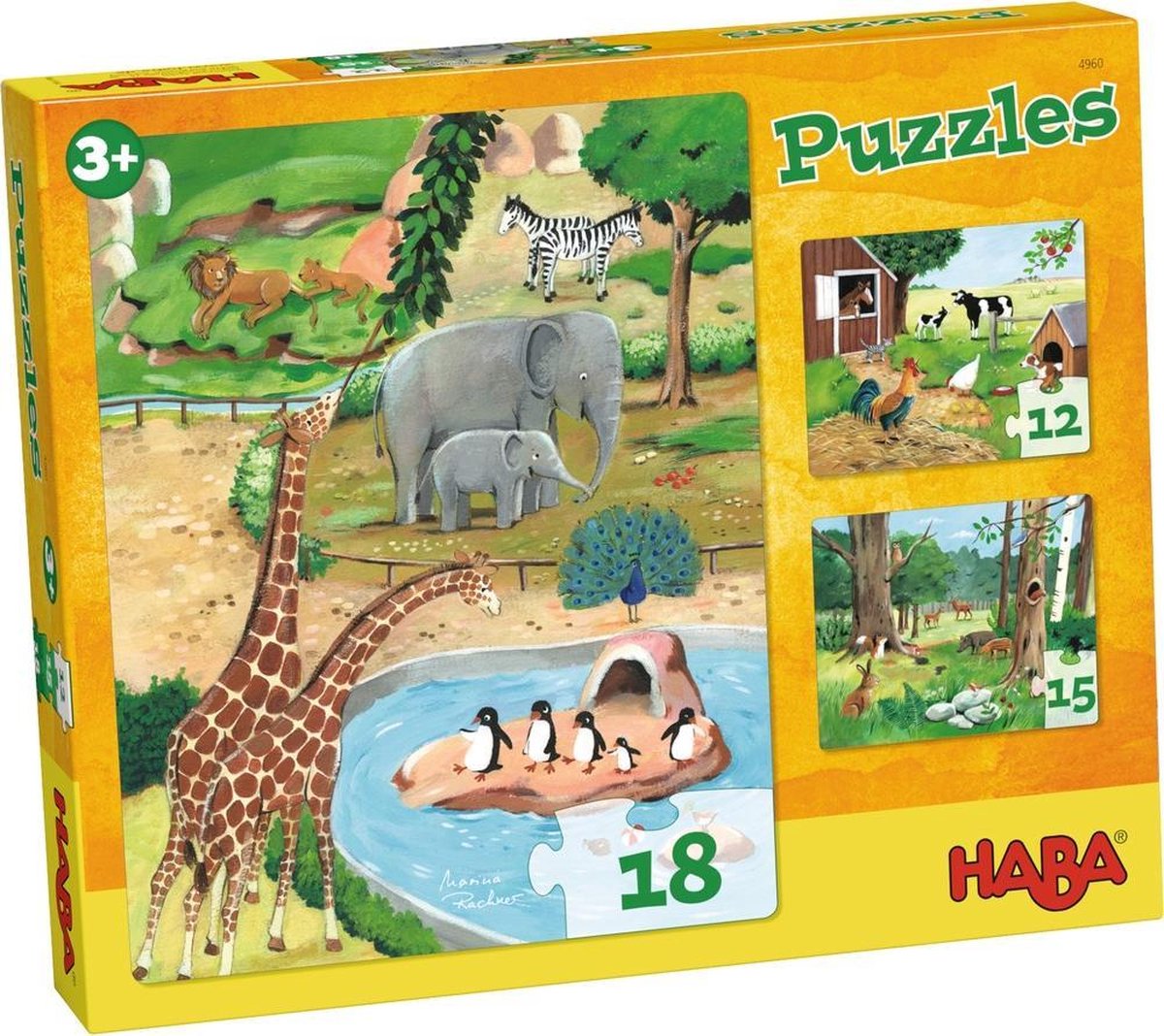
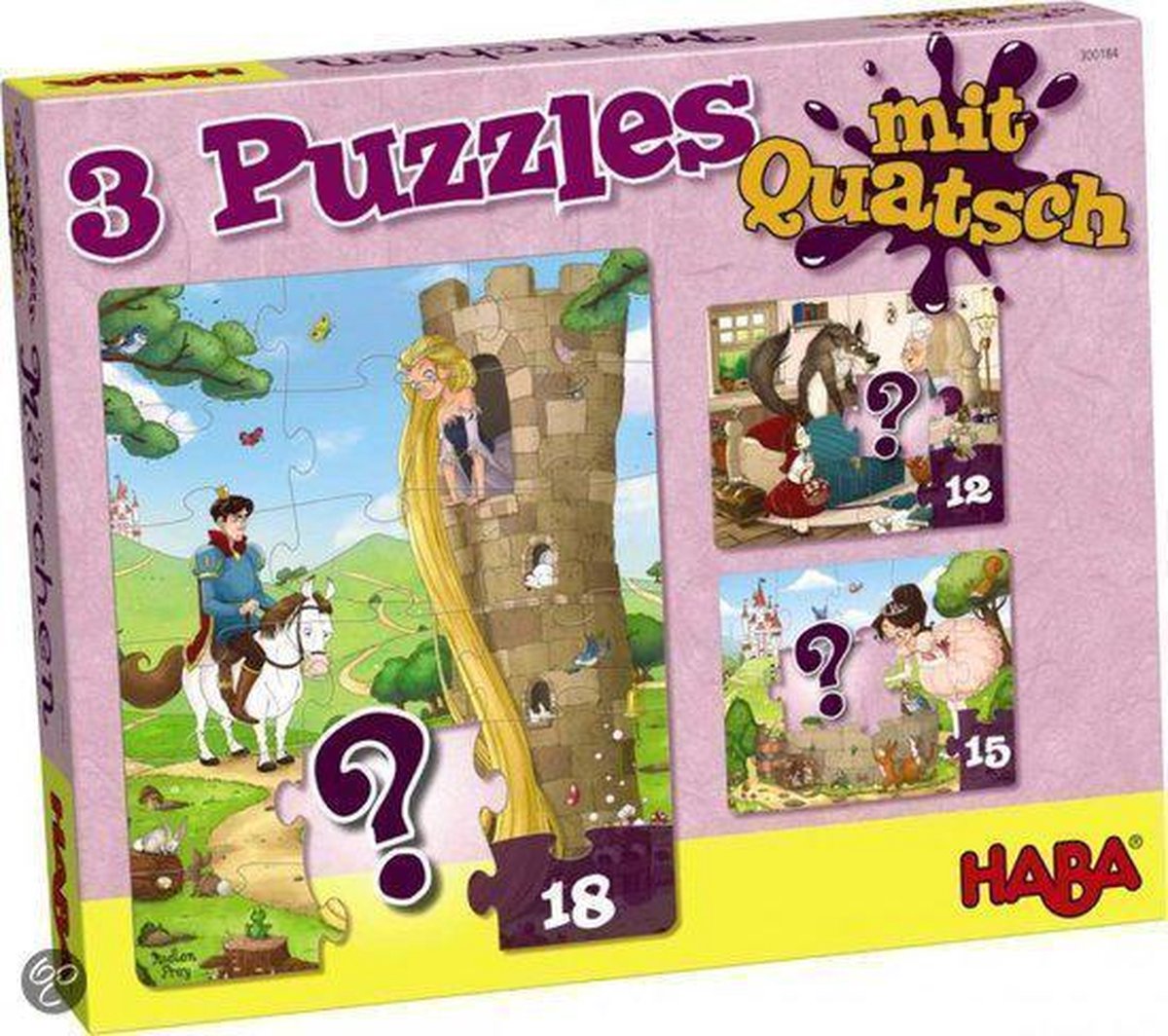
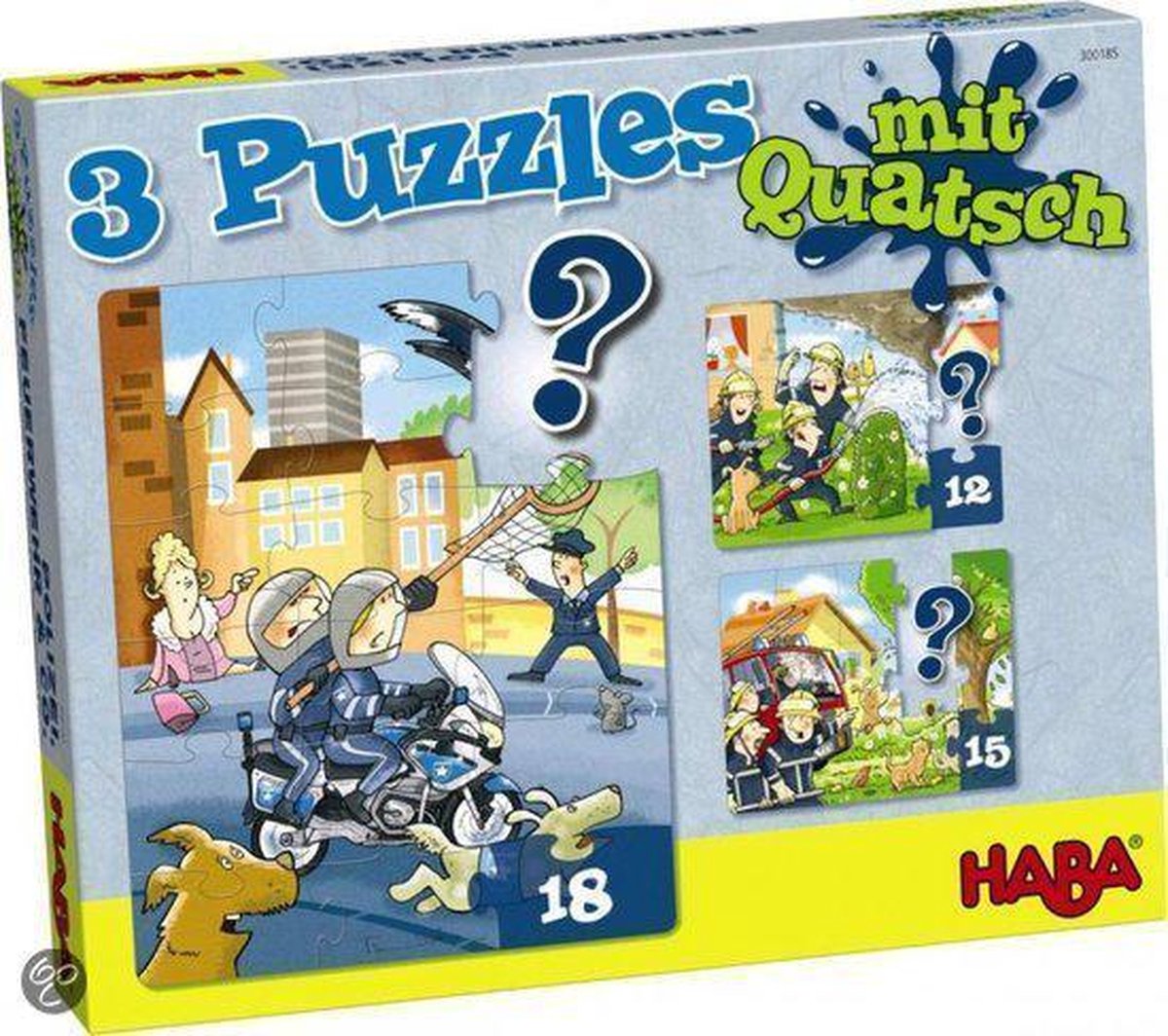
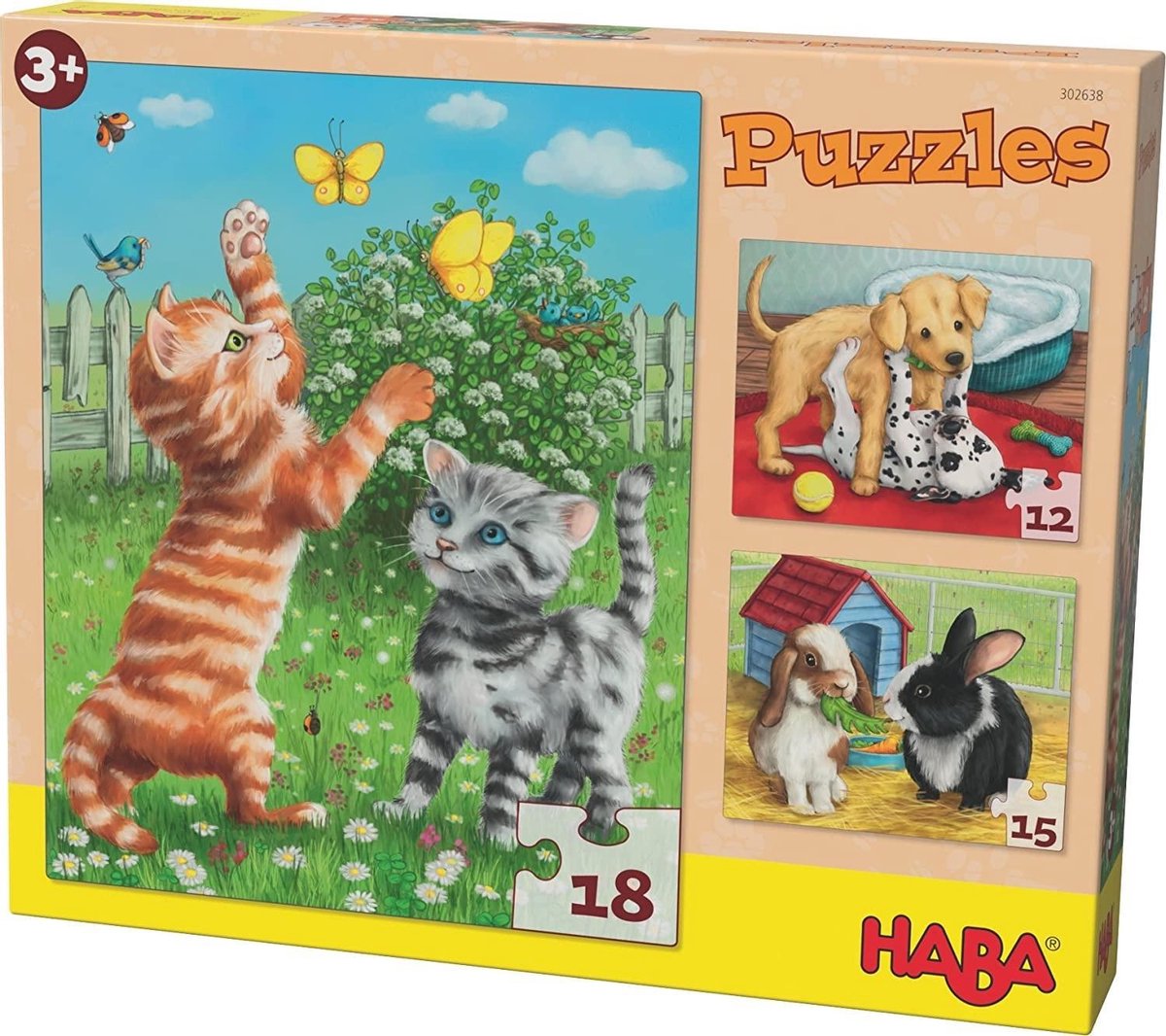
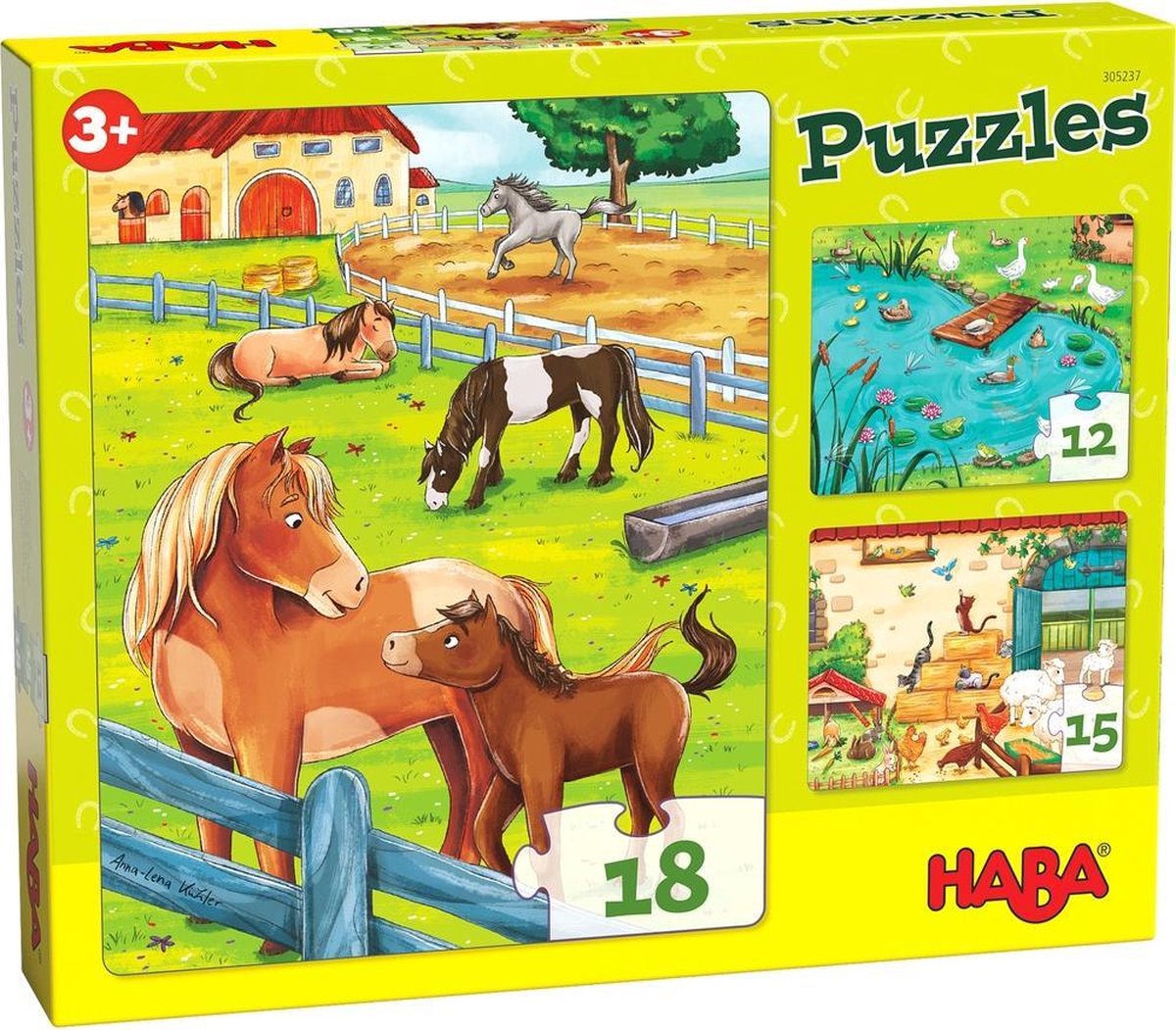
Haba puzzles 12-15-18 Pieces
Haba puzzles 15 pieces
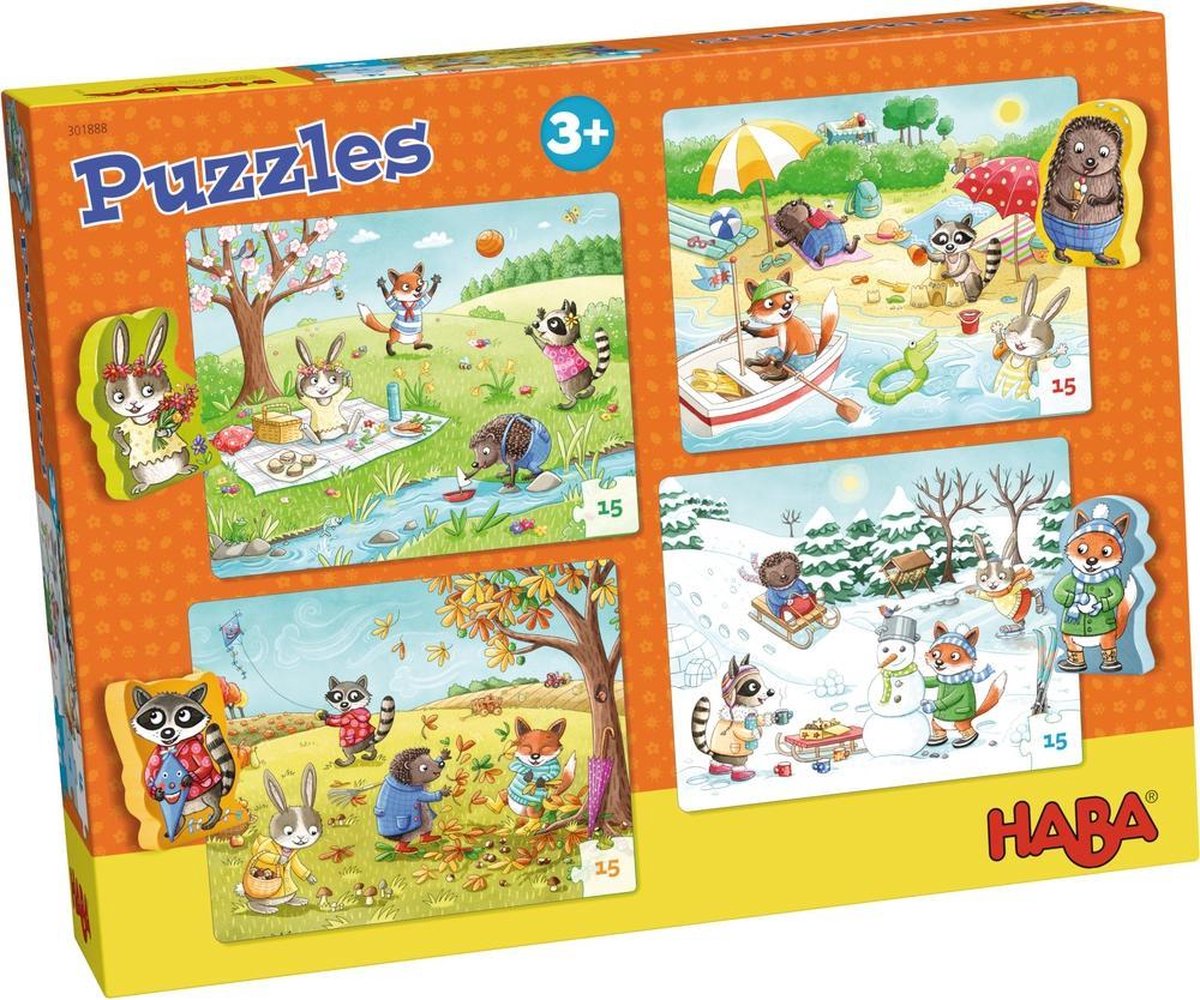
Haba puzzles 4×15 Pieces
Haba puzzles 4×24 Pieces
| Image | Box No. | Name Dutch | Name English | |
|---|
Haba puzzles 4×48 Pieces
| Image | Box No. | Name Dutch | Name English | |
|---|
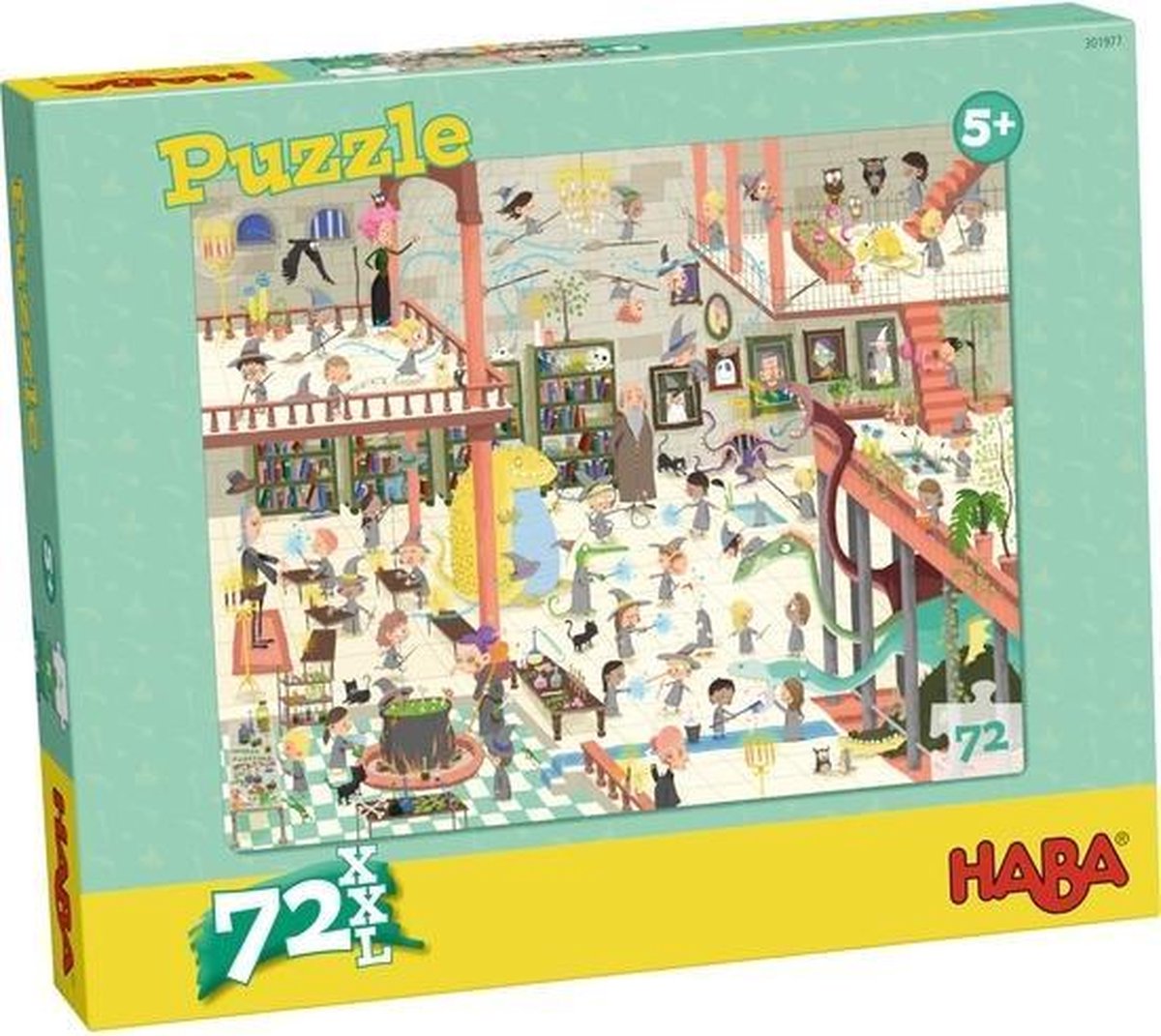
Haba puzzles 72 XXL Pieces
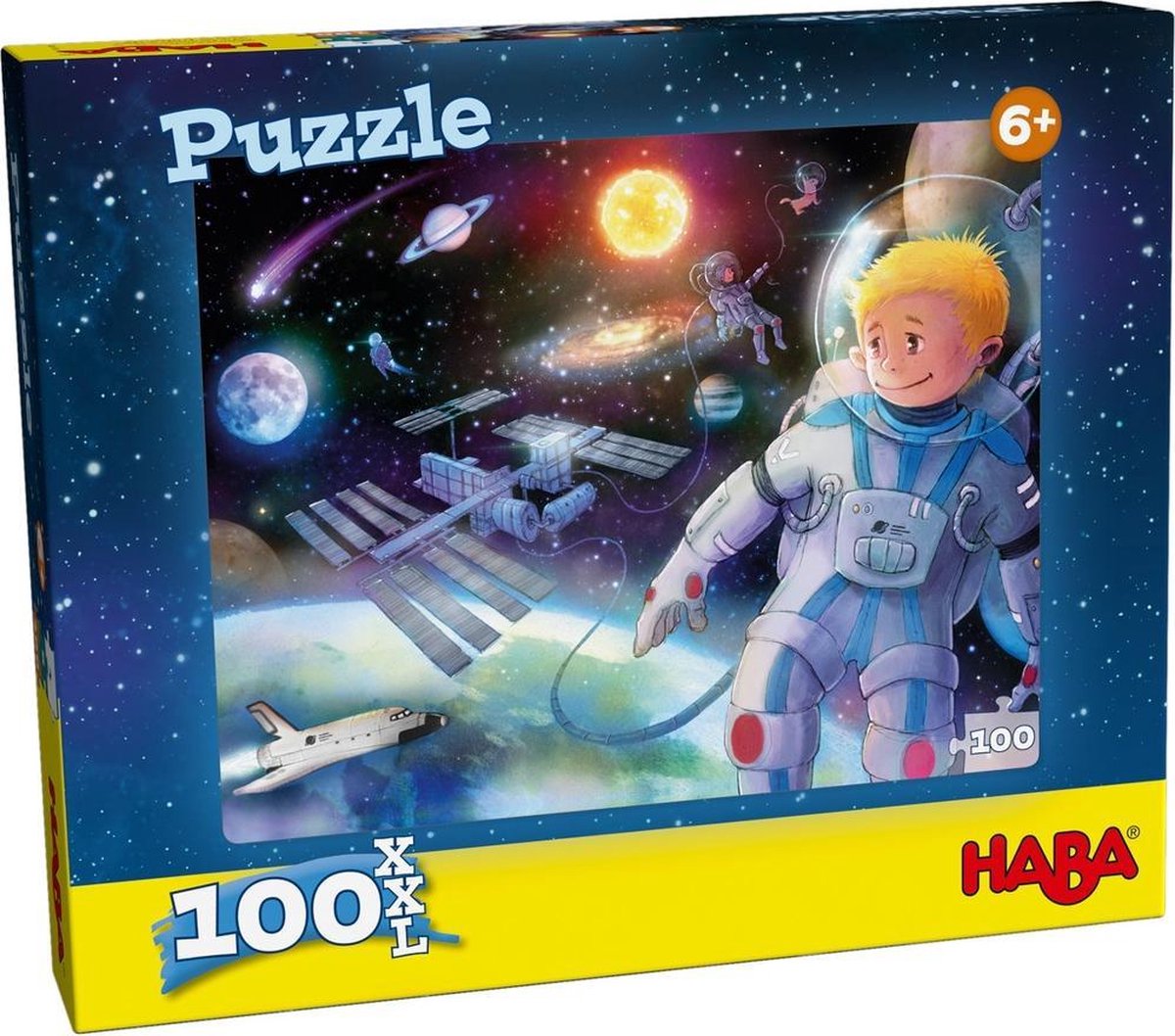
Haba puzzles 100 XXL Pieces
Which puzzles for which ages?
If you have any doubts about a puzzle and the age of a child, you will find an overview in the table below (possibly more explanation on the 'what age how many pieces'):